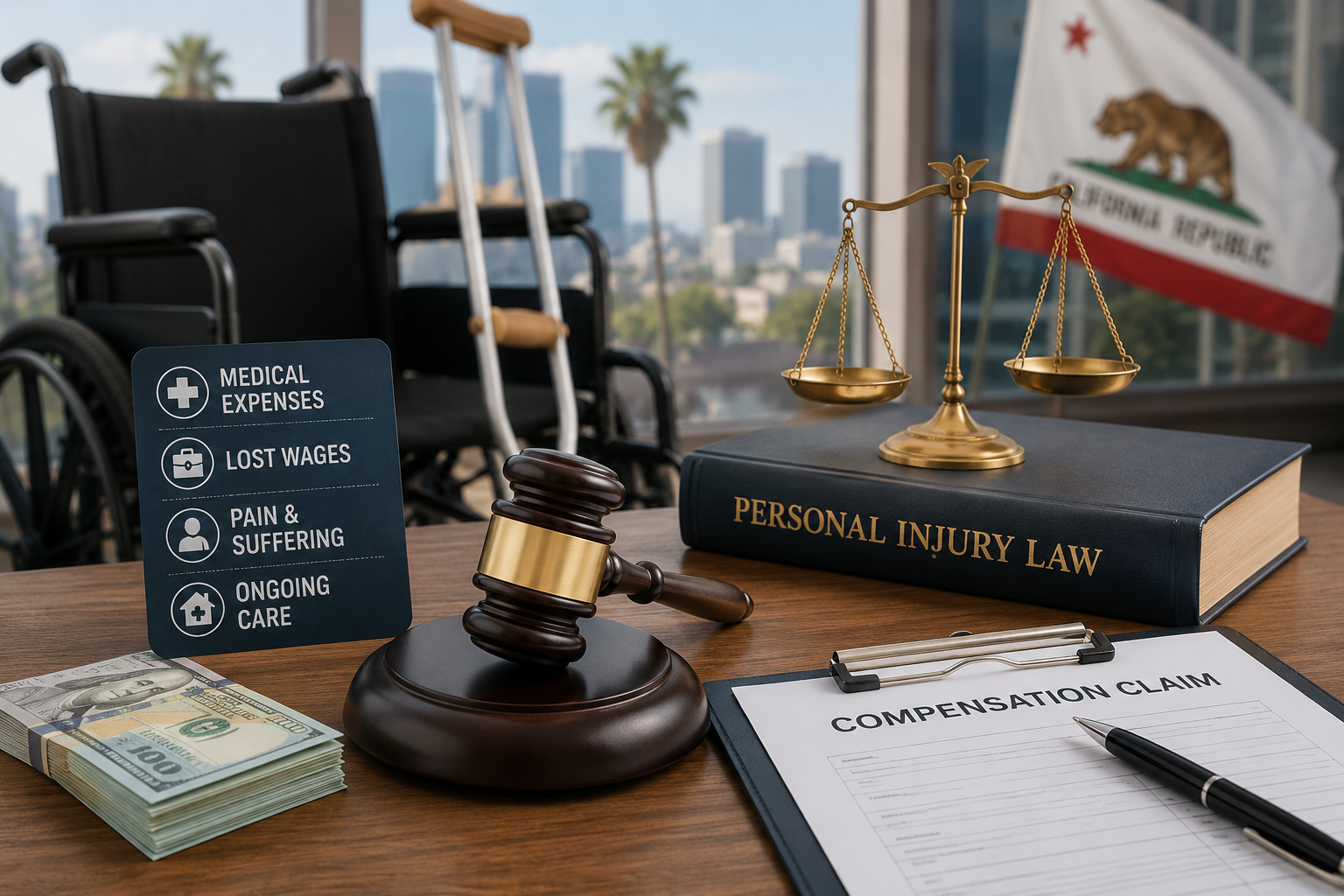

A broken bone may show up clearly on an X-ray. The fear of getting behind the wheel after a serious crash, the sleepless nights after a workplace assault, or the loss of confidence caused by a disabling injury do not. Pain and suffering damages are meant to recognize those deeply personal losses when someone else’s negligence or unlawful conduct caused harm.
For injured Californians, this part of a claim is often where insurance companies push back the hardest. They may accept that you needed treatment, then argue that your daily pain, anxiety, limitations, and loss of enjoyment are exaggerated. You do not have to accept their version of your life.
What Are Pain and Suffering Damages?
Pain and suffering damages are a form of non-economic damages. Unlike medical bills, lost income, or repair costs, they do not come with a receipt. They compensate a person for the human impact of an injury or wrongful conduct.
Physical pain is one part of the picture. So are emotional distress, anxiety, depression, fear, sleep disruption, disfigurement, scarring, loss of mobility, and the inability to participate in activities that once gave your life meaning. A parent who can no longer pick up a child, a construction worker who cannot play weekend soccer, or a driver who develops panic attacks after being hit by a truck may all experience losses that extend far beyond a medical invoice.
The label can be misleading because every case is different. A severe injury with a short recovery may cause intense pain but limited long-term disruption. A less visible injury, such as a traumatic brain injury or chronic nerve pain, may reshape a person’s work, relationships, independence, and future for years. The value depends on the evidence and the real effect on your life, not on a formula an insurer wants to use.
Which California Claims Can Include These Damages?
Pain and suffering damages are commonly available in California personal injury claims. That includes car, truck, motorcycle, pedestrian, rideshare, and premises liability accidents, as well as claims involving catastrophic injuries or wrongful death. A spouse or registered domestic partner may also have a separate claim for loss of consortium in appropriate cases, which addresses the harm to the relationship.
Employment cases can also involve non-economic damages. An employee subjected to discrimination, sexual harassment, retaliation, or wrongful termination may seek compensation for emotional distress when the facts and legal claims support it. Being targeted at work can affect a person’s mental health, financial security, family life, and sense of dignity. Those harms deserve to be taken seriously.
Workers’ compensation is different. In a standard California workers’ compensation case, benefits generally cover medical treatment, temporary or permanent disability payments, job displacement benefits in some situations, and other statutory benefits. They do not usually include pain and suffering damages. However, a workplace injury may sometimes involve a separate claim against a negligent third party, such as another driver, a property owner, or an equipment manufacturer. That separate civil claim can potentially include non-economic damages.
This distinction matters. Employers and insurers may hope an injured worker assumes workers’ compensation is the only available path. A careful review of how the injury happened can reveal whether another party should be held accountable.
How Are Pain and Suffering Damages Calculated?
There is no fixed California chart that assigns a dollar amount to a torn ligament, concussion, burn, or psychological injury. Jurors are asked to use their judgment based on the evidence. Before trial, attorneys, insurers, and mediators assess the likely value by looking at the strength of that evidence and the risks on both sides.
Several factors tend to carry weight:
- The severity of the injury and the type of medical treatment required.
- How long symptoms lasted and whether doctors expect future pain or limitations.
- The credibility and consistency of medical records, witness accounts, and the injured person’s testimony.
- The effect on work, household responsibilities, hobbies, sleep, relationships, and independence.
- Visible scarring, disfigurement, permanent impairment, or a need for future care.
- The conduct of the person or company responsible for the harm.
A claimant does not need a dramatic surgery for pain and suffering to be real. But a claim is usually stronger when treatment is timely, medical providers document symptoms clearly, and the evidence shows how the injury changed day-to-day life. Gaps in treatment can give insurers an opening, even when there was a legitimate reason such as lack of transportation, missed work, or inability to afford care. Explaining those gaps with evidence can be critical.
Why Insurance Companies Try to Minimize Non-Economic Losses
Insurers know that medical bills are easier to measure than a person’s fear, pain, or lost quality of life. That is why adjusters often focus on the smallest possible version of an injury. They may point to a preexisting condition, a brief period without treatment, social media photos, or a note suggesting you were “feeling better” on one particular day.
A prior injury does not give a negligent driver, business, or other wrongdoer permission to make you worse. California law can allow recovery when an incident aggravates a preexisting condition. Still, the medical history must be handled honestly and carefully. Trying to hide a prior condition can damage credibility; documenting the difference between your life before and after the event can help establish the truth.
Insurance companies also make early settlement offers when people are under pressure. Rent is due, work is missed, and medical calls keep coming. An offer may sound helpful until you consider ongoing physical therapy, future surgery, chronic pain, or the emotional toll that has not yet fully emerged. Once a personal injury settlement is signed, reopening the claim is usually not an option.
Evidence That Makes the Human Impact Clear
Your own testimony matters, but it should not stand alone when other evidence is available. Treatment records can show pain complaints, physical limitations, prescribed medication, mental health care, and referrals to specialists. Photos may document bruising, surgical scars, mobility aids, or the progression of an injury. Family members, friends, coworkers, and supervisors can describe the changes they observed.
A simple journal can also be useful. Record difficult nights, missed events, symptoms after activity, medication side effects, and tasks you now need help completing. Do not exaggerate or write for an audience. Write accurately. The strongest account is often a specific one: not “my back hurts constantly,” but “I had to leave my daughter’s school event early because standing for 20 minutes caused numbness down my leg.”
Be cautious with social media while a claim is pending. A single photo at a family gathering can be taken out of context and used to suggest that you are unaffected, even if you spent the rest of the day in pain. Privacy settings are not a complete shield from discovery or investigation.
Are There Limits on Pain and Suffering Damages?
California does not impose a general cap on pain and suffering damages in most ordinary personal injury cases, including many auto and truck accident claims. That does not mean every claim will result in a large award. Available insurance coverage, disputed liability, comparative fault, the quality of evidence, and the defendant’s assets can all affect what is realistically recoverable.
Some claims do have special rules. Medical malpractice cases are subject to California’s statutory limits on non-economic damages, and those limits are adjusted over time. Claims against government entities also involve strict notice requirements and procedural deadlines. Employment claims may involve separate legal standards, proof requirements, and potential remedies such as emotional distress damages, back pay, reinstatement, or punitive damages in certain circumstances.
The deadline to act can be just as consequential as the value of the harm. Waiting too long can jeopardize a claim, especially when a public entity, employer, or third party is involved. Getting legal guidance early helps preserve evidence before witnesses disappear, vehicles are repaired, records are lost, or an insurer builds its defense around an incomplete story.
Do Not Let an Adjuster Define What Your Life Is Worth
Pain is not always visible, but it can change nearly everything. If an accident, workplace injury, or unlawful treatment at work has left you struggling physically or emotionally, you deserve a clear explanation of your options and someone prepared to stand up to the company on the other side.
Accident Defenders fights for injured people and employees across California with the urgency, compassion, and aggressive advocacy these cases demand. A free consultation can help you understand whether your claim includes damages that an insurer or employer would rather ignore. No Recovery! No Fee!
Your recovery is more than a stack of bills. Protect the evidence, get the care you need, and give your story the serious attention it deserves.