
The first settlement offer can feel like relief – until you realize it may be built to close your claim fast, not fairly. This personal injury settlement guide is for California accident victims who are dealing with pain, lost income, medical bills, and the pressure tactics that often follow an injury.
Insurance companies know most people have never handled a serious claim before. Adjusters sound helpful, but their job is to protect the company’s bottom line. That matters because once you accept a settlement and sign a release, your case is usually over. If your treatment takes longer than expected, if your symptoms get worse, or if you need future care, you typically cannot go back and ask for more.
What a personal injury settlement actually covers
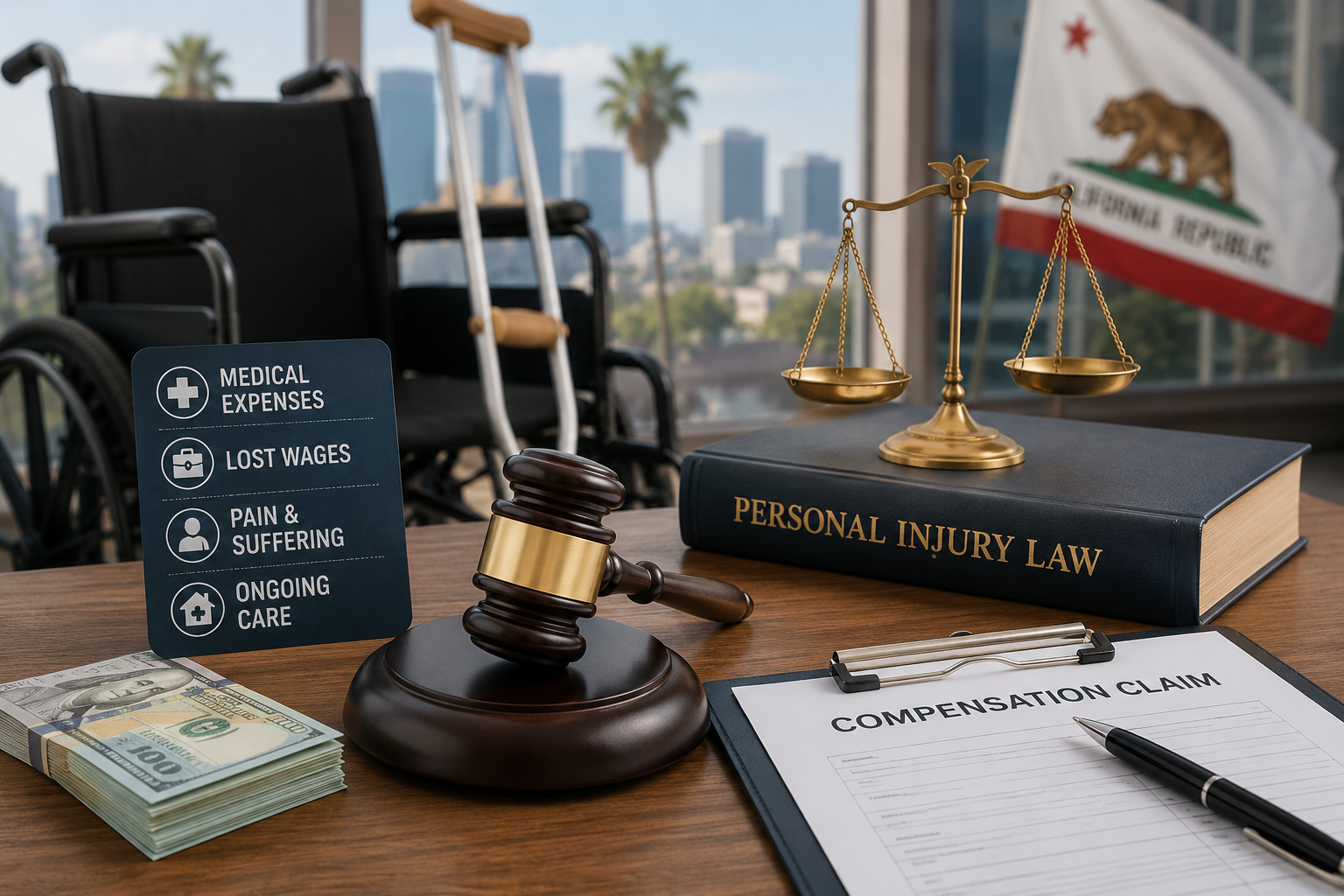
A settlement is money paid to resolve your legal claim without a trial. In a California injury case, that amount is supposed to reflect the harm the other party caused. That can include medical expenses, lost wages, reduced earning ability, property damage in some cases, and pain and suffering.
The part many people underestimate is how broad the damage can be. A crash or serious fall does not just create one emergency room bill. It can lead to follow-up appointments, physical therapy, imaging, prescriptions, time off work, transportation costs, and daily pain that disrupts sleep, family life, and basic routines. A fair settlement should account for the full impact of the injury, not just the first few weeks.
If the injury is severe, the claim may also involve future damages. That is especially true with brain injuries, spinal injuries, surgeries, permanent impairments, and conditions that affect your ability to work long term. These cases should not be rushed because the real cost often becomes clearer over time.
How insurance companies calculate settlement value
There is no fixed calculator that tells you exactly what your case is worth. Anyone who promises a number too early is skipping the hard part. Settlement value depends on liability, medical evidence, the seriousness of the injury, the effect on your work and daily life, and the insurance coverage available.
Liability means who caused the accident and whether the evidence proves it. A strong case with clear fault usually has more settlement leverage than a case where the insurer argues you caused part of what happened. California follows comparative fault rules, which means your compensation can be reduced if you are found partially responsible.
Medical documentation carries enormous weight. If your records clearly connect the accident to your injuries, show consistent treatment, and reflect ongoing symptoms, your claim is usually stronger. Gaps in care, delayed treatment, or incomplete records often give insurers arguments to downplay the case.
Then there is credibility. If the story you tell matches the records, the photos, the witness statements, and the timeline, that helps. If the insurer sees inconsistencies, it may try to use them to reduce the offer.
The timeline for a personal injury settlement guide worth following
Most people want to know how long a claim will take. The honest answer is that it depends. Some cases settle in months. Others take much longer, especially when liability is disputed or the injuries are serious.
In general, a case should not settle before you have a clear understanding of your medical condition. That does not always mean waiting until every symptom is gone. It means reaching a point where your doctors can reasonably describe the treatment you needed, whether you are expected to recover, and whether future care is likely.
Settling too early is one of the costliest mistakes injured people make. Quick money can be tempting when bills are stacking up, but early offers are often low for a reason. The insurer may be betting that your financial pressure is stronger than your ability to wait.
There is also a legal deadline to keep in mind. California statutes of limitation can bar your claim if you wait too long to act. The timeline can be even shorter in certain cases, including claims involving public entities. Waiting does not protect your case. It can weaken it.
What can increase or reduce your settlement
Some factors strengthen a claim almost immediately. Prompt medical care helps show the injury is real and serious. Photos of the scene, vehicle damage, visible injuries, and unsafe conditions can preserve evidence before it disappears. Witness statements can support your version of events. Clear proof of missed work and lost earnings can also make a major difference.
Other factors can reduce settlement value. If you stop treatment without a medical reason, insurers may argue you were not badly hurt. If you post about the accident or your physical activities on social media, those posts may be used against you. If you give a recorded statement without understanding the risks, you may unintentionally say something the insurer later twists to challenge your case.
Pre-existing conditions are another common issue. Having an old injury does not mean you lose your claim. But it does mean the medical evidence needs to show how the accident made your condition worse or caused a distinct new problem. Insurance companies regularly use prior injuries as a weapon. A strong legal strategy pushes back with records, expert support, and a clear timeline.
Should you accept the first offer?
Usually, no. The first offer is often a test. It tells the insurer whether you understand the value of your claim or whether you are likely to settle cheap.
That does not mean every first offer is automatically unfair. In a minor case with limited treatment and clear damages, an early offer may be reasonable. But in many California injury claims, especially those involving ongoing care, surgery, missed work, or disputed fault, the first number is just the opening move.
Before accepting any offer, ask what it actually covers. Does it include all medical bills or only some of them? Does it account for future treatment? Does it fairly reflect time missed from work? Does it address pain, physical limitations, anxiety, and the disruption to your daily life? If the answer is unclear, the offer is not ready to sign.
When a lawyer changes the outcome
Some claims are straightforward. Many are not. A lawyer can make a major difference when the insurer denies liability, argues comparative fault, disputes your treatment, delays payment, or refuses to take the injury seriously.
The right legal team does more than send paperwork. It builds pressure. That can mean gathering records, organizing evidence, documenting wage loss, working with doctors, calculating future damages, and negotiating from a position of trial readiness. Insurance companies track who is prepared to fight and who is likely to fold.
That is where experience matters. A firm that understands how insurers evaluate exposure can spot lowball tactics early and respond with a stronger claim. For injured Californians who are already stretched thin, having someone step in and take over the legal fight can also bring badly needed relief.
Mistakes to avoid after an accident
A strong claim can lose value through a few preventable missteps. Waiting too long to get medical care is one. Missing appointments is another. So is assuming the adjuster is on your side.
You should also be careful with broad medical authorizations. Insurers may ask for access to years of records in hopes of finding something they can use against you. The same goes for casual conversations. What sounds like a harmless update can turn into an argument that you were less injured than you claim.
If your injuries affect your ability to work, document that impact carefully. Save pay stubs, work restrictions, and communication about missed time. If your daily life has changed, keep track of that too. Pain is personal, but evidence still matters. Notes about sleep disruption, mobility limits, missed family events, and trouble performing ordinary tasks can help show what the injury has really cost you.
California cases need California-focused strategy
A personal injury settlement guide should never pretend every state handles claims the same way. California law, insurance practices, court timelines, and comparative fault rules all shape settlement strategy. So do local realities in Los Angeles and surrounding counties, where serious traffic collisions, rideshare crashes, workplace-related injuries, and high-cost medical treatment can push damages upward fast.
For that reason, cookie-cutter advice is not enough. The stronger approach is case-specific and evidence-driven. It protects your claim early, values your damages honestly, and refuses to let an insurance company define your recovery by what is cheapest for them.
If you are hurt, under pressure, and unsure what your case is worth, trust that instinct. Questions at the start can save you from expensive mistakes later. Firms like Accident Defenders exist for exactly that reason – to stand between injured people and the companies trying to pay them less than they deserve.
The real goal is not just settling a case. It is making sure you are not left carrying the financial burden of someone else’s wrongdoing after the paperwork is signed.