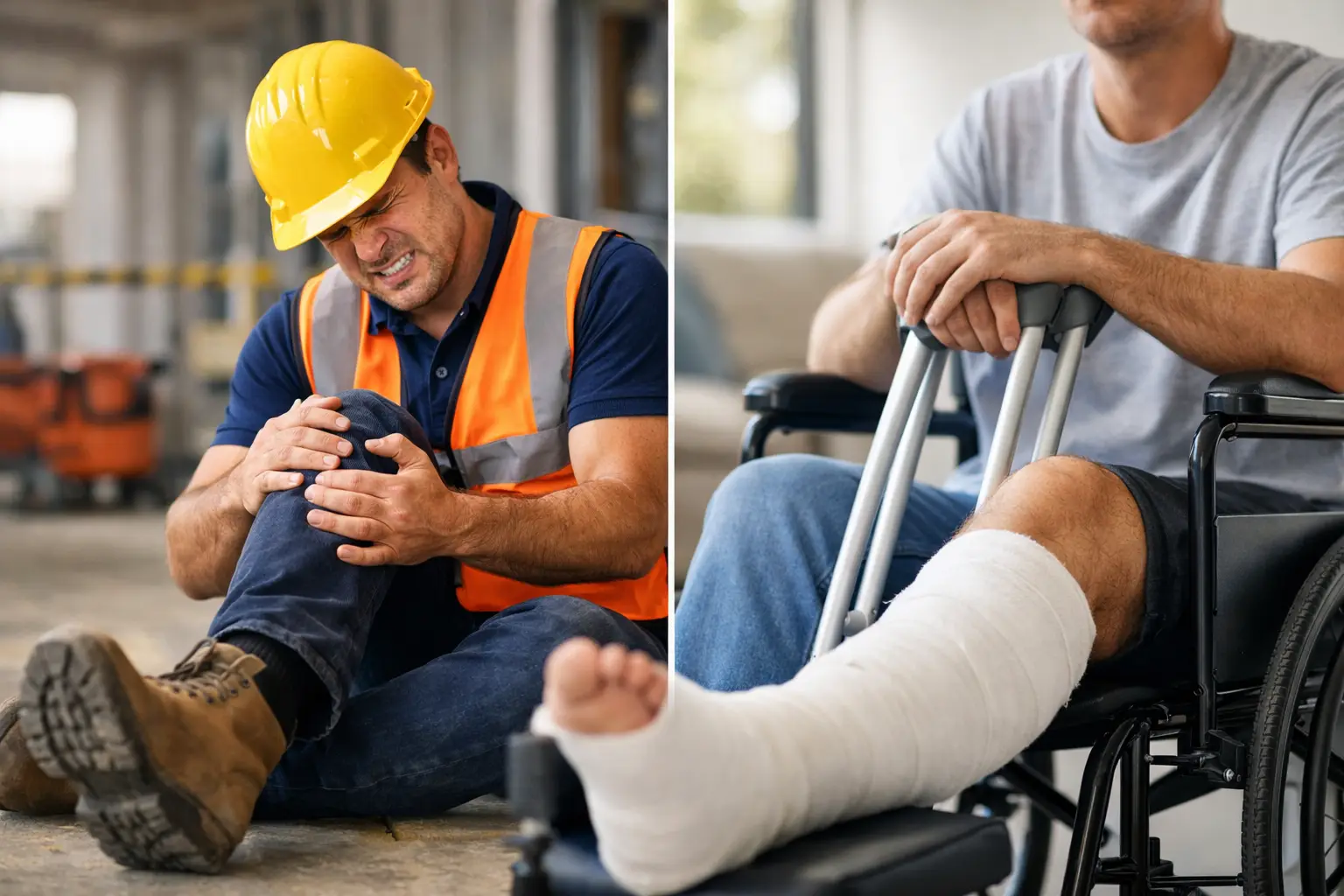

A serious job injury can leave you dealing with more than pain. You may be missing paychecks, getting pressure from work, and trying to make sense of a system that seems designed to give you the bare minimum. That is where third party work injury claims can matter. In California, a workplace injury does not always stop at workers’ compensation. If someone other than your employer or a co-worker caused or contributed to the harm, you may have the right to pursue a separate civil claim for additional compensation.
That distinction can make a major difference in your recovery. Workers’ comp usually covers medical treatment and a portion of lost wages, but it does not pay for everything you have lost. A third-party case may allow you to seek the full value of your damages, including pain and suffering.
What Are Third Party Work Injury Claims?
Third party work injury claims are lawsuits or insurance claims against someone other than your employer when that outside party caused your job-related injury. The classic example is a delivery driver injured in a crash caused by another motorist while on the clock. The worker may have a workers’ compensation claim through the employer and a personal injury claim against the at-fault driver.
This is where many injured workers get shortchanged. They assume that because the injury happened at work, workers’ comp is the only option. That is not always true. California law often allows both paths at the same time, depending on the facts.
The key question is simple: who caused the injury? If the answer includes a negligent driver, property owner, contractor, product manufacturer, maintenance company, or another outside party, a third-party claim may be available.
When a Workplace Injury Involves More Than Workers’ Comp
Workers’ compensation is a no-fault system. You generally do not have to prove your employer did anything wrong to receive benefits. But in exchange for that faster, more limited system, you usually cannot sue your employer for ordinary negligence.
A third-party claim is different. You do have to prove fault. That means showing the outside person or company acted carelessly, created a dangerous condition, sold a defective product, or otherwise caused the injury. If successful, the upside is often far greater than what workers’ comp provides.
This happens in more workplaces than people realize. Construction workers may be hurt by subcontractors or defective machinery. Home health workers may be injured on unsafe property. Warehouse employees may be struck by delivery vehicles. Office workers can even have third-party claims after a work-related car crash.
Common Examples of Third Party Work Injury Claims
The most common cases involve motor vehicle collisions. If you were driving for work, making deliveries, traveling between job sites, or riding as a passenger for work duties when another driver hit you, that may support both a workers’ comp case and a third-party auto claim.
Construction and industrial settings also create frequent third-party liability. A general contractor may not be your employer, but its unsafe site practices can still cause devastating injuries. Equipment manufacturers may be liable if a machine lacks proper guards or fails during normal use. Vendors, repair companies, or property owners may share responsibility when they create unsafe conditions.
Slip and fall cases can also qualify. If you were working on someone else’s property and got hurt because of broken stairs, poor lighting, exposed wiring, or another dangerous condition, the property owner or manager may be liable.
Some cases involve defective products. If a tool, ladder, scaffold, vehicle part, or industrial device malfunctions and causes harm, the manufacturer, distributor, or seller may be responsible. These cases often require a close investigation because companies move fast to deny defects and shift blame.
What Compensation May Be Available?
This is the reason third-party claims matter so much. Workers’ compensation benefits are limited by law. A third-party injury claim may open the door to much broader damages.
Depending on the case, you may be able to recover medical expenses, full lost wages and loss of future earning capacity, pain and suffering, emotional distress, and other out-of-pocket losses. In catastrophic cases, damages may also include long-term care needs, disability-related costs, and the impact the injury has on your day-to-day life.
That does not mean every case produces a large recovery. Liability may be disputed. Insurance coverage can be limited. The facts may support a strong workers’ comp case but only a weak third-party claim. Still, when a valid third-party case exists, failing to pursue it can leave a significant amount of compensation on the table.
How Workers’ Comp and a Third-Party Case Work Together
These claims often move at the same time, but they are not the same case. Workers’ comp handles your benefits through your employer’s insurance system. A third-party claim is brought against the outside person or business that caused the injury.
That overlap creates strategy issues. For example, the workers’ comp carrier may seek reimbursement from part of your third-party recovery for benefits it paid. This is often called a lien. It does not mean pursuing the case is pointless, but it does mean the process needs to be handled carefully so your net recovery is protected as much as possible.
Timing matters too. Evidence in third-party cases can disappear fast. Skid marks fade, surveillance footage gets deleted, damaged equipment is repaired or discarded, and witnesses become harder to find. Waiting too long can weaken a strong case.
Why These Cases Are Often Fought Hard
Third-party defendants and their insurers do not hand out fair settlements just because someone got hurt on the job. They often argue the worker caused the accident, the employer was really at fault, the injury was preexisting, or the harm is not as serious as claimed.
In construction and industrial cases, each company may try to point the finger at someone else. In vehicle cases, insurers may minimize medical treatment or challenge whether the crash caused the condition. In product cases, manufacturers usually have legal teams ready to defend the design and blame misuse.
That is why a quick settlement can be risky. Early offers are often built around uncertainty, pressure, and the fact that injured workers need money now. Once you settle, you usually cannot go back and ask for more if the injury turns out to be worse than expected.
What to Do After a Possible Third-Party Workplace Injury
First, get medical care and report the injury to your employer. Protecting your health and preserving your workers’ comp rights comes first.
Next, pay attention to how the accident happened and who was involved. If another driver, outside company, property owner, or manufacturer played a role, that detail may be critical. Photos, names of witnesses, incident reports, damaged equipment, and insurance information can all help build the case.
Try not to give recorded statements to outside insurance adjusters before you understand your rights. Their job is to protect the company’s money, not your recovery. A statement that seems harmless can later be used to reduce or deny your claim.
It is also wise to act before the legal deadlines close in. California time limits depend on the type of claim and who the defendant is. Claims against public entities can involve very short notice requirements.
Why Legal Strategy Matters in California
A strong case is not just about filing paperwork. It is about seeing the whole picture. That means identifying every potentially liable party, documenting the injury fully, understanding how the workers’ comp claim affects the civil case, and pushing back when insurers try to box you into a low-value outcome.
For injured workers under financial stress, this is not academic. It is rent, treatment, family stability, and whether a serious injury changes your future more than it should. A law firm that understands both workers’ compensation and personal injury can spot opportunities that others miss.
At Accident Defenders, that worker-first approach is central. When employers, carriers, and outside insurers look for ways to limit what an injured person receives, experienced counsel can fight to make sure every available claim is pursued.
A work injury can feel like your world got smaller overnight. But if someone outside your employer helped cause it, your legal options may be bigger than you have been told. The right claim can give you room to recover, rebuild, and push back against the people and companies that would rather pay less than your case is worth.