
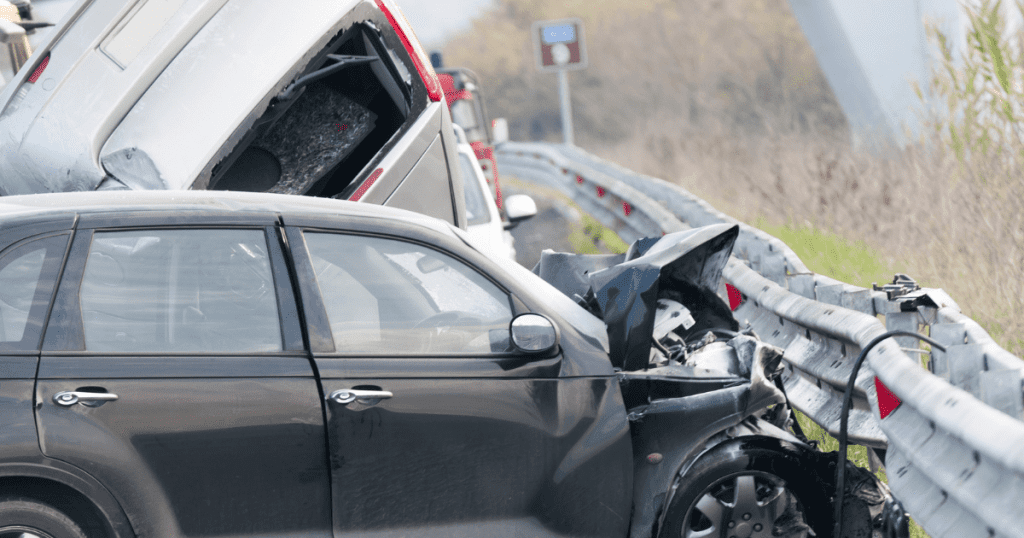
As an Uber driver, your vehicle is not just a mode of transportation; it’s your livelihood. But what happens if you’re involved in an Uber car accident? Who covers the damages, and how do you ensure you receive the compensation you deserve? What if a passenger is in the car at the time of the crash?
To get answers to these questions, it is vital to understand your compensation rights, insurance coverage, liability, Uber’s policies, and the right legal steps, as rideshare accidents present unique challenges compared to standard auto collisions. According to the National Highway Traffic Safety Administration (NHTSA), motor vehicle crashes cost the U.S. over $340 billion annually!
Taking the right approach can make all the difference in protecting your earnings and long-term financial security. In this blog, we have helped you break down everything you need to know about post-accident compensation, ensuring you’re prepared to handle any situation with confidence.
Overview: How Uber Accident Compensation Really Works
Uber accident claims are complex because coverage, liability, and compensation depend on your app status, fault determination, and policy layering at the time of the crash. Drivers must navigate overlapping insurance systems while protecting their right to recover income-related losses and long-term damages. Small missteps, like delays, incomplete reporting, or undervalued settlements, can significantly impact the final outcome. Understanding how to position your claim strategically is key to maximizing financial recovery and maintaining your ability to work.
Immediate Steps After an Uber Accident
Here’s what you need to do immediately after an Uber accident:
Prioritize Safety and Check for Injuries
The moments following an accident can be chaotic, but your first priority should always be safety. Car crashes often trigger an adrenaline rush, which can temporarily mask pain and injuries. Even if you don’t feel injured right away, it’s critical to get checked by a medical professional as soon as possible. Some injuries, such as concussions, whiplash, or internal damage, may not present symptoms immediately but could worsen over time. This is particularly important because research from the National Institutes of Health (NIH) shows that whiplash symptoms can take 24–72 hours to appear, reinforcing the need for immediate medical evaluation.
It’s important, as insurance adjusters may otherwise argue that delayed medical treatment suggests your injuries weren’t serious. Seeking medical care immediately strengthens your claim if you later decide to file for car accident compensation. Here’s what to do:
- If anyone appears injured, even slightly, call 911 immediately to request emergency medical assistance.
- If the vehicles involved are in a dangerous position (e.g., obstructing traffic), move them to a safer location if possible. However, if there are serious injuries or major vehicle damage, leave everything in place and wait for the authorities.
- If you are unable to move, try to remain calm and wait for help to arrive.
Call the Police and Request a Report
Regardless of the severity of the accident, contacting the police is essential. A police report provides an official record of the incident, which is crucial when dealing with Uber’s insurance, personal insurance claims, or legal matters. When the officers arrive, provide accurate details without admitting fault.
Document the Scene Thoroughly
Proper documentation is key to protecting yourself in any potential claims process. Take the following steps:
- Photograph the accident scene: Capture images of vehicle damage, license plates, road conditions, traffic signals, and any visible injuries.
- Get witness statements: If there are bystanders who saw the accident, ask for their contact details and a brief statement.
- Exchange information: Collect the names, phone numbers, and insurance details of all drivers involved.
These steps prove to be critical if your case is later reviewed by a car accident defense lawyer during the claims process.
Report the Accident to Uber
Uber requires all Uber car accidents to be reported through the Driver app:
- Open the safety toolkit by tapping the blue shield icon on the map.
- Select “report a crash”, provide details, and submit the report.
- Uber’s claims support team will contact you to guide you through the next steps.
- To speak with Uber’s trained support staff, go to the Help section of your app, select “safety”, and then choose the “safety incident reporting line”. You can also submit a crash report here.
Whichever option you choose, please complete the process as soon as reasonably possible, as failure to do so may result in denied insurance coverage under Uber’s policy.
Consult a Personal Injury Attorney
If you encounter issues with insurance claims, compensation disputes, or liability concerns, consulting an experienced rideshare accident attorney like Accident Defenders can help you navigate legal complexities and ensure you receive fair compensation.
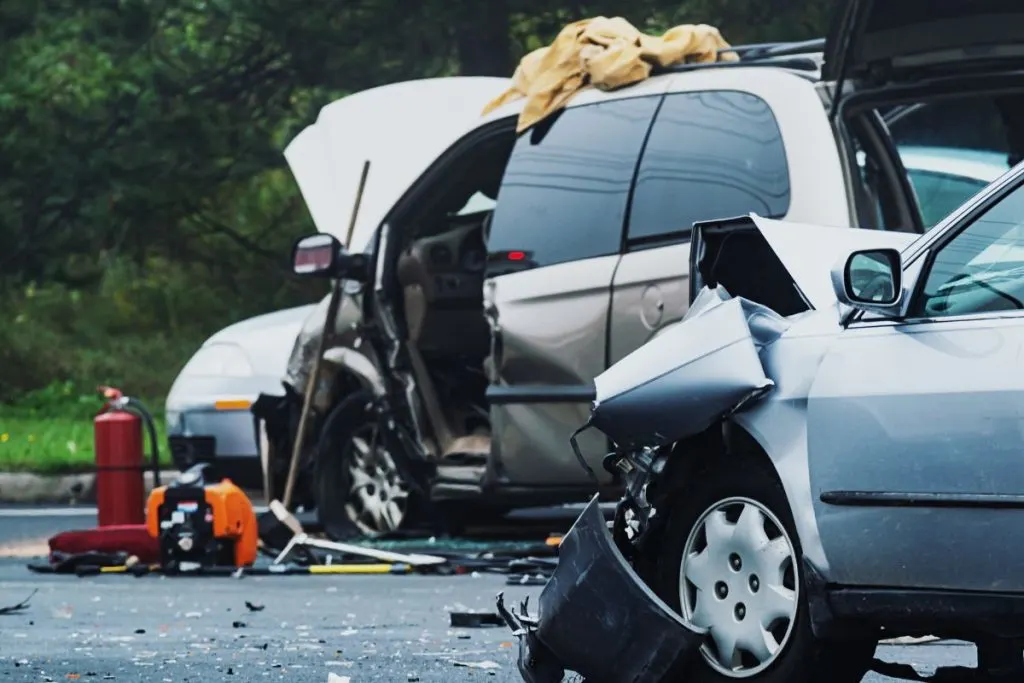
Compensation Options for Uber Drivers
Insurance Coverage When You’re Offline
If you’re not logged into the Uber app, your personal auto insurance is solely responsible for covering any accidents or damages. Rideshare drivers are required to maintain personal automobile insurance that meets the minimum coverage requirements set by their state.
However, it’s important to note that most personal insurance policies do not cover commercial or rideshare activities. This means if an Uber car accident occurs while offline, standard personal coverage applies.
Insurance Coverage When You’re Online and Waiting for a Trip
Once you’re online and available to accept ride requests, Uber provides third-party liability insurance in case of an accident where you are at fault. This coverage includes:
- $50,000 per person for bodily injury.
- $100,000 per accident for bodily injury.
- $25,000 per accident for property damage.
This coverage applies only if your personal auto insurance does not already provide similar protection. It’s designed to cover damages to other parties involved in an accident, such as another driver, pedestrian, or property owner.
In certain states, Uber may offer additional coverage, including:
- Uninsured/underinsured motorist coverage: Protects you and your riders if the at-fault driver does not have sufficient insurance.
- Personal injury protection (PIP): Covers medical expenses and lost wages for you and your passengers, regardless of fault.
- Medical payments coverage: Provides compensation for medical costs after an accident, no matter who is responsible.
Insurance Coverage When You’re En Route to Pick Up a Rider or on a Trip
Once you accept a ride request and start heading toward the passenger, Uber’s most comprehensive insurance coverage takes effect. This coverage remains in place throughout the trip until the passenger exits the vehicle.
Key coverage details include:
- $1,000,000 in third-party liability insurance: Covers injuries and property damage if you are at fault in an Uber car accident.
- Contingent collision and comprehensive coverage: If your personal insurance includes collision and comprehensive coverage, Uber’s insurance will cover repairs to your vehicle up to its actual cash value, with a $2,500 deductible.
- Protection regardless of fault: If you have comprehensive collision coverage on your personal policy, Uber’s coverage applies even if another driver was responsible for the accident.
Coverage for Commercial Drivers
Uber’s insurance only applies to personal, non-commercial vehicles used for ridesharing services like UberX, UberXL, and Uber Comfort. If you drive a commercial vehicle, such as a limousine, black car, or taxi, you must have your own commercial auto insurance.
Uber does not provide insurance coverage for the following:
- Vehicles registered as commercial livery, limousine, or taxi services.
- Drivers who operate under a for-hire vehicle license.
- Vehicles that do not meet Uber’s personal vehicle standards (age, condition, and model requirements vary by city).
What Can Hurt Your Uber Accident Claim Value
Take a closer look at these common mistakes that can significantly eat up your share of the compensation, so you know what to avoid:
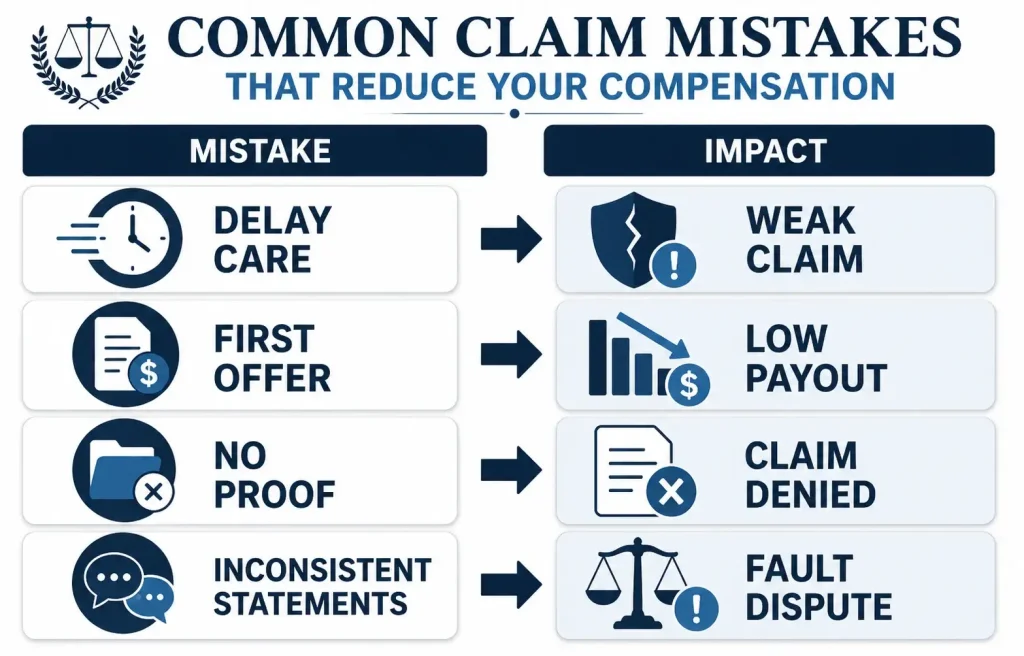
Avoiding these issues early, often with input from a car accident defense lawyer, can significantly improve your final settlement outcome.
Conclusion
Protecting yourself financially after a car accident means being proactive, well-informed, and ready to take legal action if necessary. By understanding Uber’s compensation options and knowing what steps to take, you can confidently navigate any accident situation while securing the financial recovery you deserve. At Accident Defenders, we are committed to fighting for rideshare drivers’ rights and ensuring they receive the compensation they are entitled to. If you’ve been involved in an Uber car accident, don’t let insurance companies undervalue your claim. Contact our Uber accident attorneys in Los Angeles today for a free consultation, and let us help you get the justice you deserve.
FAQs
1. Can I still drive for Uber while my accident claim is pending?
Yes, but it depends on the extent of vehicle damage and Uber’s safety review. If your car meets platform requirements and you’re medically cleared, you may continue driving. However, if your vehicle is under repair or flagged for safety concerns, your account could be temporarily restricted until cleared.
2. Will filing a claim affect my Uber driver rating or account status?
Filing a claim itself does not directly impact your rating. However, repeated safety incidents or unresolved complaints related to the accident may trigger internal reviews that could affect your account standing.
3. What happens if my passenger files a separate injury claim against me?
Passenger claims are typically handled through Uber’s liability coverage when you are on an active trip. However, disputes over fault or damages can still arise, which may require legal representation to protect you from personal financial exposure.
4. How long do I have to file a rideshare accident claim?
The time limit (statute of limitations) varies by state, but it generally ranges from 1 to 3 years. Missing this deadline can result in losing your right to compensation entirely, making early action critical.
5. Can I use my own insurance lawyer instead of Uber’s claims process?
Yes. You are not required to rely solely on Uber’s insurance process. Hiring your own attorney ensures your interests are represented independently, especially if there are disagreements over compensation or liability.
6. Can multiple insurance policies apply to the same accident?
Yes. Depending on the situation, your personal insurance, Uber’s coverage, and the other driver’s insurance may all be involved. Determining which policy applies, and in what order, can be complex.