
A rideshare crash can turn an ordinary trip into a financial and physical crisis in seconds. If you are dealing with a lyft accident injury claim, the questions usually come fast – who pays, whose insurance applies, what if the Lyft driver was at fault, and what happens if another driver caused the wreck? While you are trying to get treatment and keep up with bills, insurance companies are already sizing up your case.
That is why the first days after a Lyft crash matter so much. The record created early on can shape what your claim is worth months later. Medical records, app status, witness statements, police reports, and even screenshots can all affect whether an insurer accepts responsibility or tries to minimize what happened.
How a Lyft accident injury claim works
A Lyft accident is not handled exactly like a normal car crash. There may be several insurance policies in play, and the answer often depends on what the driver was doing in the Lyft app at the time of the collision. That detail can decide whether a personal auto policy applies, whether Lyft’s insurance coverage is triggered, or whether both sides point fingers while an injured person waits.
If the driver was off the app, the claim may fall largely under the driver’s personal insurance. If the driver was logged in and waiting for a ride request, one level of coverage may apply. If the driver had accepted a ride or was actively transporting a passenger, a larger commercial policy may come into play. Those distinctions sound technical, but they directly affect how much coverage is available for medical bills, lost wages, and pain and suffering.
This is where many people get stuck. Lyft, its insurers, the driver’s insurer, and the other driver’s insurer may all try to shift blame or limit exposure. A strong claim does not just prove you were hurt. It shows who was responsible, what insurance was active, and how the crash changed your health, work, and daily life.
Who can file a Lyft accident injury claim?
Several different people may have a valid claim after a rideshare crash. A Lyft passenger can file a claim if the Lyft driver caused the collision or if another driver caused it. A driver or passenger in another vehicle may also have a claim. Pedestrians and cyclists hit by a Lyft driver can also pursue compensation.
Fault still matters. California follows a comparative fault system, which means more than one party can share responsibility. If an insurer argues that you were partly at fault, that does not always end the case. It may reduce the value of compensation, but it does not automatically eliminate your right to recover.
That is one reason blanket promises should be viewed carefully. Every case depends on the facts, the available coverage, the seriousness of the injuries, and the quality of the evidence. Anyone telling you your case is simple before reviewing those details is probably not doing you any favors.
What compensation may be available
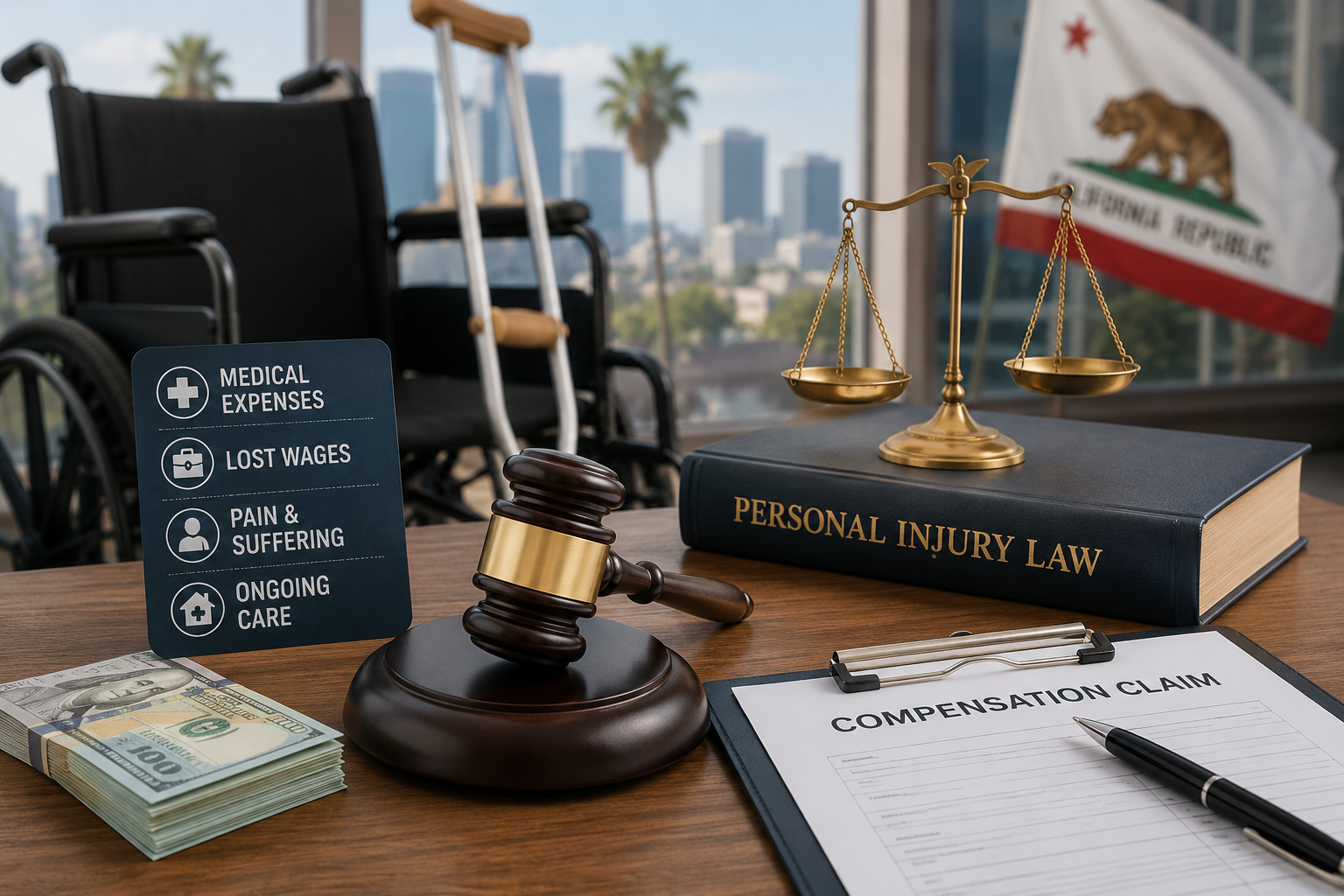
A lyft accident injury claim may include more than the first emergency room bill. In many cases, the real financial damage shows up over time. Physical therapy, follow-up appointments, imaging, prescription costs, missed work, reduced earning ability, and out-of-pocket expenses can all add up quickly.
California injury claims often include economic damages and noneconomic damages. Economic damages cover measurable losses such as medical expenses and income loss. Noneconomic damages address pain, suffering, emotional distress, and the disruption the injury causes in day-to-day life.
When injuries are serious, the value of the case can change significantly. A concussion that develops into ongoing cognitive symptoms is not the same as a short-term headache. A back injury that interferes with lifting, driving, or standing for long periods is not just an inconvenience if your paycheck depends on those tasks. Insurance companies know that long-term injuries cost more, which is why they often challenge treatment, delay review, or act as if recovery should be faster than reality.
What to do after a Lyft crash in California
The best next step is usually the one people delay – getting medical care right away. If you are hurt, do not try to push through the pain and hope it clears up. Some injuries, especially head, neck, and soft tissue injuries, may not show their full impact immediately. Prompt treatment protects your health and creates a medical record that ties the injury to the crash.
If you are able, document what you can. Take photos of the vehicles, your injuries, the roadway, and the rideshare screen if you were a passenger. Get names and contact information for witnesses. Report the collision to law enforcement when appropriate and make sure the incident is reported through the Lyft app as well.
Then be careful with insurance communications. Adjusters often sound helpful at first, but their job is to protect the company. A recorded statement given too early can be used against you later, especially if you are still in pain, medicated, or do not yet understand the full extent of your injuries.
The biggest mistakes that can weaken your claim
A lot of valid claims lose value because of avoidable mistakes. Waiting too long to get treatment is a common one. Gaps in care give insurers room to argue that the injury was minor or unrelated. The same problem comes up when people stop treatment because they are worried about cost. That concern is real, but it can also damage the claim if there is no clear record of continued symptoms.
Another mistake is settling too early. Quick offers may feel tempting when rent is due and work has been missed. But once a settlement is signed, you usually cannot go back for more if your condition gets worse. That is a dangerous gamble if doctors are still evaluating your recovery.
Social media can create problems too. A single photo or casual post can be twisted to suggest you are less injured than you say. Even normal activities can be taken out of context. When a claim is active, it is smart to assume insurers are looking for anything they can use.
Why Lyft claims are often harder than they look
On paper, a rideshare case can seem straightforward. In practice, there are often disputes about app status, fault, medical necessity, and causation. One insurer may say Lyft coverage was not active. Another may argue your treatment was excessive. If there was a prior injury, they may try to blame your current symptoms on your medical history rather than the crash.
That is where preparation matters. A well-built case connects the crash to the injuries through consistent records, physician opinions, accident evidence, and a clear timeline. It also anticipates defense arguments before they gain traction.
This is especially important when the injuries interfere with work. Many clients are already worried about missing paychecks, losing stability at home, and falling behind on basic expenses. A claim is not just about paperwork. It is about protecting a person’s ability to recover without being buried by someone else’s negligence.
When to talk to a lawyer about a Lyft accident injury claim
The short answer is sooner than most people think. If liability is disputed, injuries are serious, multiple insurers are involved, or you are being pressured to accept a low offer, legal help can make a real difference. The same is true if the crash caused extended time off work or lasting physical limitations.
A strong attorney does more than send demand letters. They investigate coverage, preserve evidence, calculate full damages, deal with adjusters, and push back when insurers try to undervalue a human injury like it is just another file on a desk. That pressure matters because insurance companies are rarely moved by hardship alone. They respond when they see a case that is organized, supported, and ready to be fought.
For injured Californians, that fight should come with clear guidance and real support. Firms like Accident Defenders build these cases with the understanding that clients are often dealing with pain, stress, and financial fear all at once. You should not have to figure out complex insurance issues while trying to heal.
How long do you have to file in California?
Deadlines matter. California law limits how long you have to file a personal injury lawsuit, and missing that window can destroy an otherwise strong case. The exact timing can vary depending on the facts, especially if a government entity is involved, so waiting is risky.
Even when the legal deadline seems far away, evidence does not wait. Witness memories fade. App data can become harder to preserve. Medical narratives get muddier when treatment is delayed. The earlier a case is investigated, the stronger your position usually is.
A lyft accident injury claim is about more than getting a check. It is about making sure the cost of someone else’s careless driving does not land on your shoulders while insurers protect their bottom line. If you were hurt, take your injuries seriously, protect your records, and do not let the company decide what your recovery is worth.