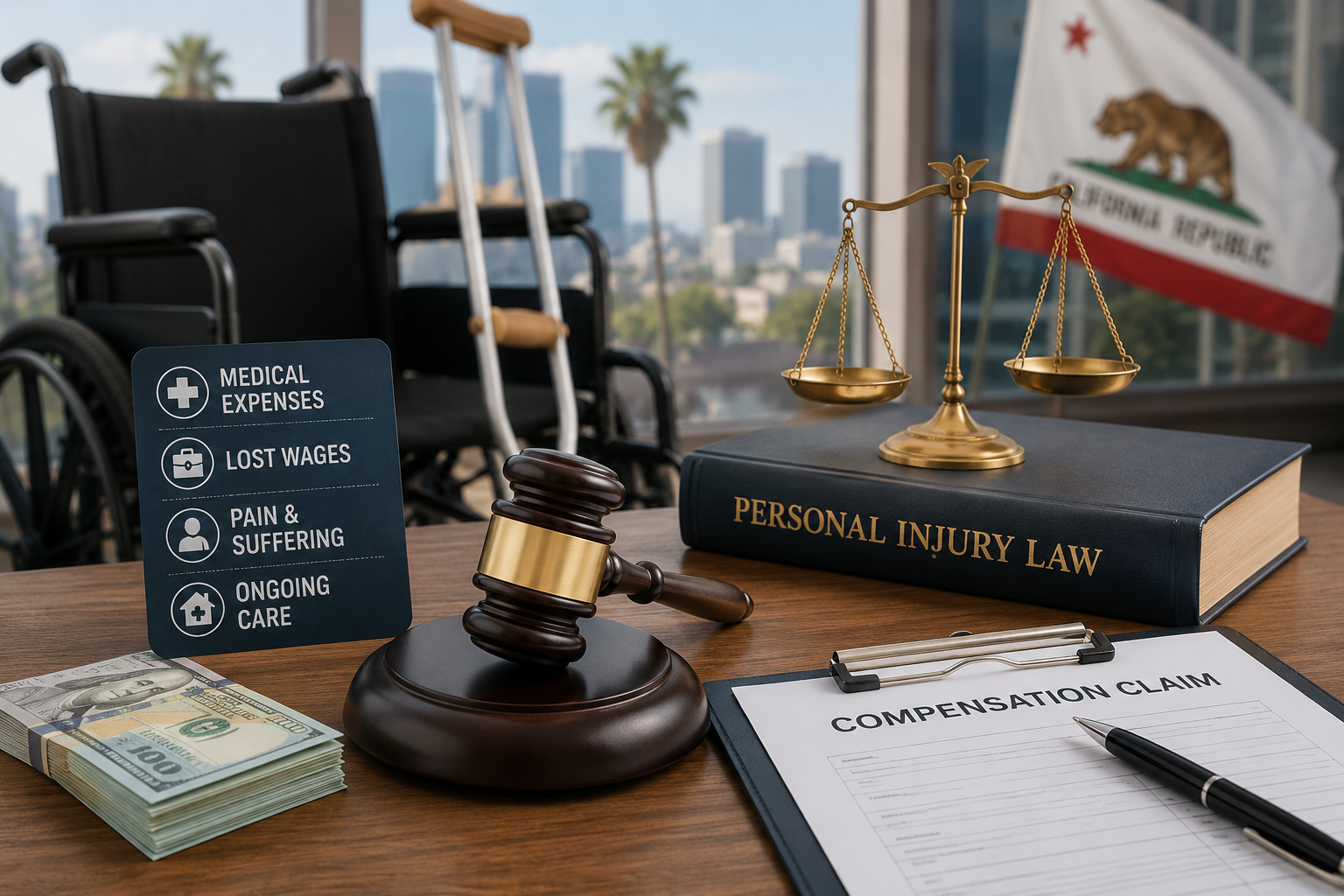

The hours after a crash, fall, or other serious accident can feel like a fight you never asked for. You may be in pain, missing work, facing medical bills, and receiving calls from an insurance adjuster who wants a statement before you understand the full extent of your injuries. A personal injury lawyer can step in to protect your rights, preserve critical evidence, and fight for compensation that reflects what the injury has truly taken from you.
Insurance companies handle claims every day. Their goal is to resolve cases for as little as possible. You deserve someone who understands their tactics, knows what your claim is worth, and is prepared to push back when an insurer delays, denies, or minimizes your losses.
What a Personal Injury Lawyer Does After an Accident
A personal injury claim is not simply a request for an insurer to pay a bill. It is a legal claim built on evidence. Your attorney works to show who caused the accident, how the incident harmed you, and what losses you have suffered and may continue to suffer.
That work often begins with an immediate investigation. Depending on the case, it may include reviewing police reports, photographing the scene, securing surveillance footage, interviewing witnesses, examining vehicle damage, and obtaining phone records or trucking-company documents. Evidence can disappear quickly. A business may overwrite video. A witness’s memory may fade. A damaged vehicle may be repaired or destroyed before it is fully inspected.
Your lawyer also gathers the medical proof behind your claim. This includes records from emergency care, doctors, specialists, physical therapy, diagnostic testing, and future treatment recommendations. A diagnosis alone does not always tell the whole story. The records must connect your injuries to the accident and explain how those injuries affect your ability to work, care for your family, sleep, drive, or live independently.
When the evidence is ready, your attorney can present a demand that accounts for medical expenses, lost income, reduced earning capacity, pain and suffering, property damage, and other legally available losses. If the insurance company refuses to make a fair offer, a strong personal injury lawyer prepares the case for litigation.
When You Should Call a Personal Injury Lawyer
You do not need to wait until an insurer denies your claim. In many cases, it is best to speak with an attorney as soon as possible after receiving medical care. Early legal guidance can prevent a costly mistake, especially when the other side is already looking for reasons to shift blame.
Legal help is particularly important when injuries are serious, symptoms worsen over time, or you are unable to return to work. It is also wise to get counsel if multiple vehicles were involved, the at-fault driver was uninsured or underinsured, a commercial truck was involved, or the accident occurred during a rideshare trip. These cases can involve several insurance policies, competing versions of events, and companies with legal teams protecting their own interests.
You should also speak with a lawyer if an adjuster pressures you to give a recorded statement, sign a broad medical authorization, or accept a fast settlement. A quick offer may sound helpful when bills are piling up. But once you settle, you generally cannot return for more money if your condition becomes more serious or you discover you need additional treatment.
A lawyer can review the offer, explain what it covers, and help you decide whether settling makes sense. Not every claim needs a lawsuit. But every injured person deserves to make that decision with clear information, not pressure from an insurer.
The Compensation at Stake
The value of a personal injury case depends on the facts. There is no honest one-size-fits-all number, and any attorney who promises a particular result before investigating the case is not giving you the full picture. The severity of the injury matters, but so do liability, available insurance coverage, medical evidence, time missed from work, and the long-term effect on your daily life.
A broken bone that heals quickly may be valued differently from a brain injury, spinal injury, or condition that causes chronic pain. Yet even an injury that appears “minor” at first can create major disruption. A soft-tissue injury can keep a warehouse worker from lifting, a driver from sitting comfortably, or a parent from performing routine household tasks.
California law may allow injured people to seek economic damages, such as medical costs and lost wages, as well as non-economic damages for pain, physical suffering, and the impact an injury has on normal life. In the most severe cases, future medical needs and diminished earning capacity may be central to the claim.
The key is documentation. Keep records of appointments, prescriptions, missed work, out-of-pocket expenses, and changes in your symptoms. Follow your doctor’s treatment plan when possible. If financial or transportation barriers make treatment difficult, tell your medical provider and attorney. Gaps in care can be used by insurers to argue that you were not seriously hurt, even when there is a legitimate reason for the gap.
How Insurers Try to Reduce Injury Claims
Insurance adjusters may be polite and sympathetic. That does not change who they work for. Their files are evaluated through the lens of company costs, policy limits, and potential defenses.
One common tactic is disputing fault. The insurer may claim you were speeding, distracted, failed to see a hazard, or had a preexisting condition. California’s comparative negligence rules can reduce compensation if an injured person is found partly responsible, which is why the facts and evidence matter so much.
Another tactic is challenging medical treatment. The insurer may argue that care was unnecessary, unrelated to the accident, or excessive. They may focus on a prior injury while ignoring that an accident aggravated an existing condition. A preexisting condition does not automatically erase a claim. If another person’s negligence made your condition worse, that harm may still be compensable.
Insurance companies may also delay. They know financial pressure can make an injured person more likely to accept less than the claim deserves. A committed attorney can take over communications, demand accountability, and keep the case moving while you focus on healing.
Choosing the Right Personal Injury Lawyer in California
The right attorney should make you feel heard, not processed. Large advertising firms can handle a high volume of cases, but you have the right to ask who will actually speak with you, investigate your accident, negotiate with the insurer, and prepare your case if litigation becomes necessary.
During a consultation, ask direct questions about the lawyer’s experience with cases like yours, how often you will receive updates, and whether the firm is ready to file suit when an insurer refuses to be reasonable. You should also understand the fee agreement before signing. Many California personal injury firms work on contingency, meaning there are no upfront attorney fees and the firm is paid only if there is a recovery. Costs and fee percentages should still be explained clearly.
Experience on the defense side can also matter. An attorney who understands how insurers evaluate claims can anticipate the arguments they may use to limit payment. That perspective helps build a stronger case from the beginning rather than reacting after the insurer has already shaped the narrative.
Do Not Wait Until Evidence and Deadlines Work Against You
California injury claims have deadlines, and waiting can put your recovery at risk. In many cases, the deadline to file a personal injury lawsuit is two years from the date of injury. Claims involving a government agency can require a formal claim much sooner, often within six months. Different rules and exceptions may apply, so do not assume you have plenty of time based on something you heard from a friend or an insurance representative.
You can protect yourself now by seeking appropriate medical attention, saving photos and documents, avoiding social media posts about the accident, and declining to sign or record anything you do not understand. Then get legal advice before the other side gains control of the story.
An injury can disrupt your income, your health, and your sense of security. You should not have to face an insurance company or powerful business alone while trying to recover. A free conversation with a lawyer can give you clarity, protect your next step, and help you move forward with someone ready to fight for the justice you deserve.