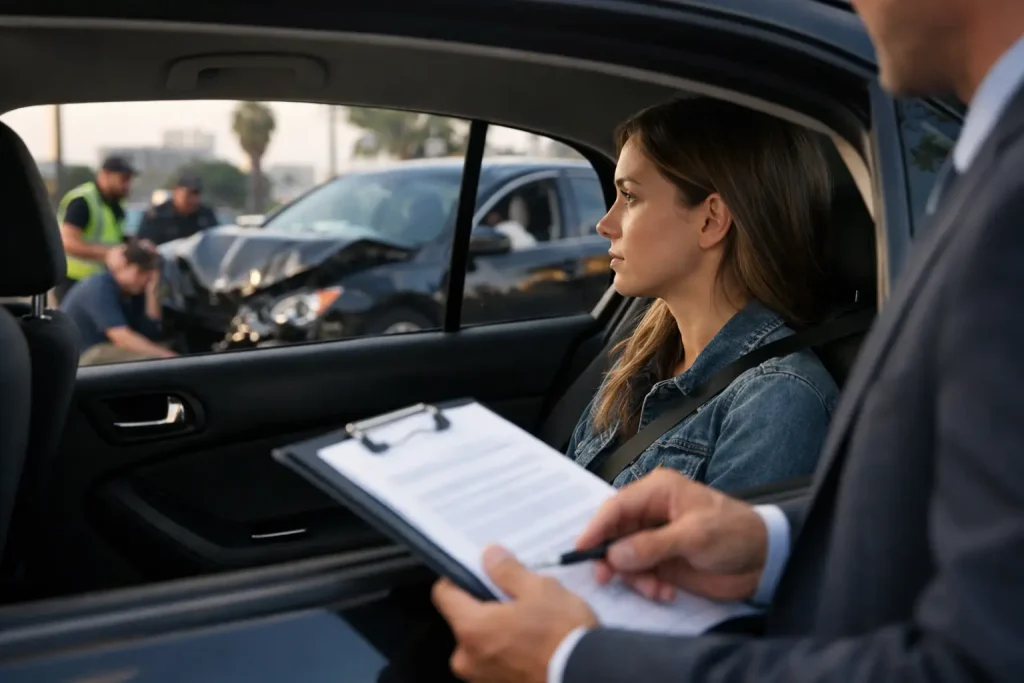
One moment you are checking your route on the app, and the next you are in the back seat of a wrecked Uber with a pounding headache, a wrecked phone, and no clear answer about who is supposed to pay. That confusion is exactly why uber accident passenger rights matter. If you were hurt as a rideshare passenger in California, you may have the right to pursue compensation for medical bills, lost income, pain and suffering, and other losses – even if you were not driving and did nothing wrong.
Passengers are often in the strongest legal position after a crash because they are usually not the cause of the collision. But that does not mean the process is simple. Uber claims involve overlapping insurance policies, questions about whether the driver was logged into the app, and insurance companies that look for ways to limit what they pay. If you are injured, knowing your rights early can protect your health and your claim.
What uber accident passenger rights actually include
In California, an injured Uber passenger generally has the right to seek compensation from the at-fault party or parties. That can include the Uber driver, another driver, or in some cases both. If the rideshare trip was active, Uber’s insurance coverage may also come into play.
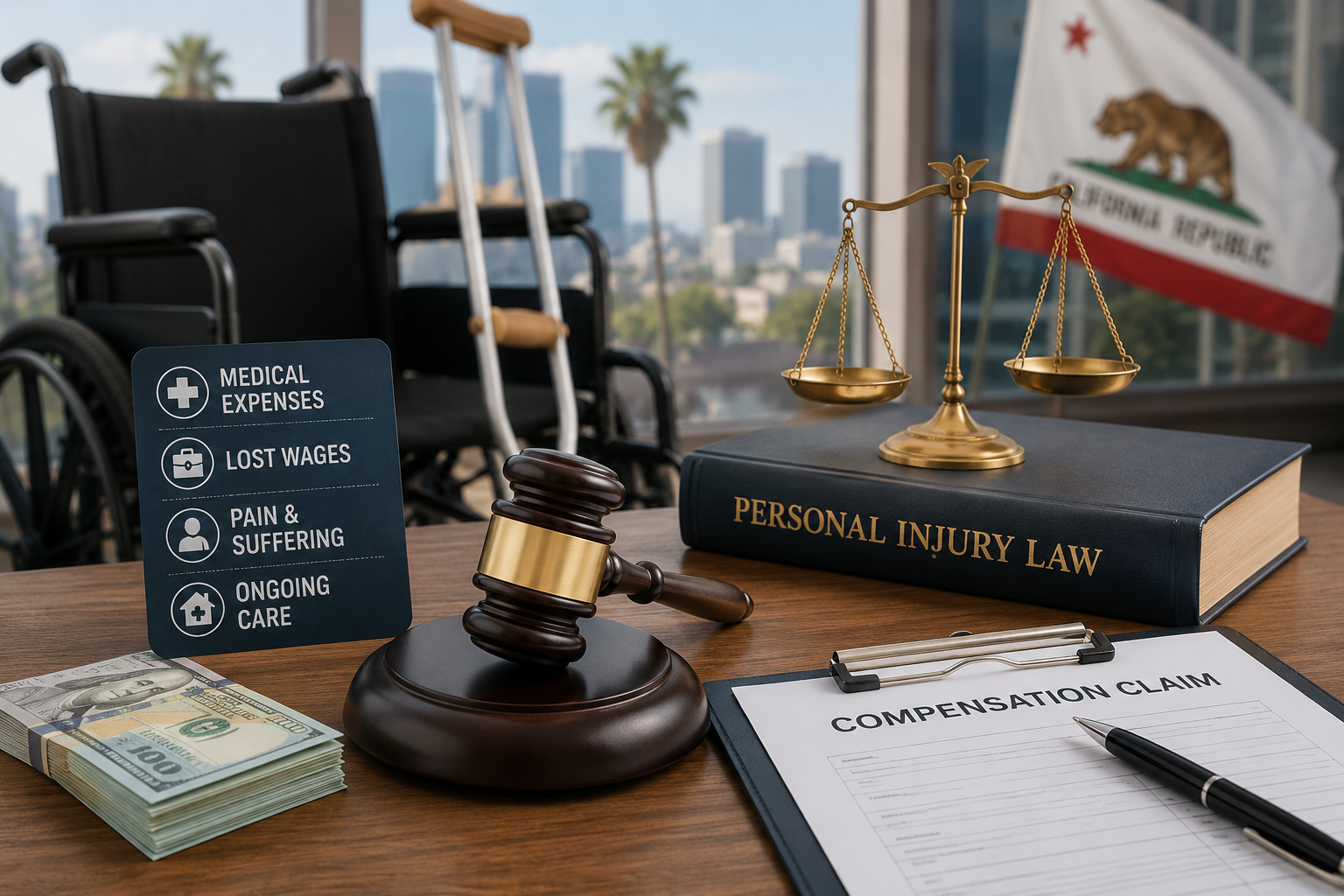
Your claim is not limited to the ambulance ride or the first emergency room bill. Depending on the facts, uber accident passenger rights may include recovery for ongoing treatment, future medical care, lost wages, reduced earning ability, pain, emotional distress, and out-of-pocket costs tied to the crash. If the injuries are serious, the value of the claim can be much higher than what an insurer first suggests.
This is where many people get pressured into a bad outcome. Adjusters may act helpful at first, but their job is to protect the company’s bottom line. A quick settlement can sound tempting when bills are piling up. The problem is that once you settle, you usually cannot go back and ask for more if your symptoms get worse.
Who pays after an Uber crash?
That depends on how the collision happened and what phase of the ride the driver was in.
If another driver caused the crash, that driver’s auto insurance is usually the first source of recovery. If the Uber driver caused the crash while transporting a passenger or on the way to pick one up, Uber’s larger commercial policy may apply. California rideshare cases often turn on whether the app was on, whether a ride had been accepted, and whether the trip was underway.
For passengers, the good news is this: you may have a claim even when fault is disputed. A lawyer can investigate all available policies instead of accepting the first insurer’s version of events. In some cases, multiple policies may apply, which can make a major difference if the injuries are severe.
When Uber’s insurance may apply
Uber does not insure every moment of a driver’s day the same way. Coverage changes based on the driver’s status in the app. If the driver was offline, the driver’s personal insurance may be the main policy. If the driver was logged in and waiting for a ride, a different level of coverage may apply. If the driver had accepted a ride or was actively carrying a passenger, the highest rideshare coverage is typically available.
That distinction matters because serious injuries can quickly exceed a basic personal policy. Hospital care, imaging, specialist visits, physical therapy, time off work, and follow-up treatment add up fast.
What to do right after the crash
The first priority is medical care. Get checked out as soon as possible, even if you think you are just sore. Adrenaline masks injuries, and some conditions – especially head, neck, and back injuries – can take hours or days to show their full impact.
Then, preserve evidence. Take photos of the vehicles, your injuries, the scene, and anything inside the Uber that may be relevant. Screenshot your trip details in the app. Get the names and contact information of drivers, witnesses, and police officers if you can. If law enforcement responds, ask how to obtain the report.
You should also report the incident through the Uber app, but be careful about detailed statements. Stick to the basic facts. Do not guess about fault, do not minimize your injuries, and do not agree to a recorded statement for any insurer before you understand what is at stake.
If you miss work, keep records. If you pay for medications, transportation to appointments, or other expenses, save every receipt. Small details can become important proof later.
Common injuries in rideshare passenger claims
Not every Uber crash is catastrophic, but many passengers suffer more than bruising. Even lower-speed collisions can cause injuries that disrupt work and daily life.
Common claims involve whiplash, concussions, back injuries, herniated discs, shoulder damage, knee trauma, fractures, facial injuries, and psychological effects such as anxiety after the crash. Some passengers feel fine at the scene and then wake up the next day unable to turn their neck or sit comfortably. Others return to work too quickly and realize they cannot handle lifting, standing, driving, or concentrating.
Insurance companies often treat these injuries as minor until the medical records prove otherwise. That is one reason consistent treatment matters. Gaps in care can be used against you, even when the pain is real.
Why passengers still face pushback
People assume a passenger claim should be easy because the passenger was not driving. In practice, insurers still fight. They may argue your injuries were pre-existing, claim your treatment was excessive, or try to shift blame between drivers while you wait.
This is especially common when more than one insurance company is involved. Each side may point fingers at the other, hoping to pay less or delay payment. Meanwhile, the injured passenger is stuck dealing with pain, missed work, and growing financial pressure.
That is where strong legal representation changes the balance. A plaintiff-side lawyer can gather records, secure app data, analyze the insurance layers, document damages, and push back when insurers undervalue the case. At Accident Defenders, that fight is personal. Injured people should not be left to sort through corporate insurance tactics on their own.
How long do you have to file a claim?
California deadlines matter. In many personal injury cases, you generally have two years from the date of the accident to file a lawsuit. But deadlines can vary depending on the parties involved and the facts of the case. Waiting is risky.
The longer you wait, the harder it can be to preserve evidence, locate witnesses, and connect your injuries clearly to the crash. Early legal advice also helps prevent mistakes with insurers, paperwork, and settlement discussions.
Can you recover compensation if the Uber driver was not at fault?
Yes. Your right to compensation does not disappear just because another car caused the crash. As a passenger, you can usually pursue the responsible driver’s insurance and explore other available coverage if needed.
This matters in hit-and-run and uninsured driver cases too. It may still be possible to recover under uninsured or underinsured coverage tied to the rideshare policy, depending on the circumstances. These cases are more technical, but they are far from hopeless.
When a passenger should call a lawyer
If you only had minor soreness that resolved quickly, you may not need a lawyer. But if you needed medical treatment, missed work, suffered a head injury, have ongoing pain, or are hearing from multiple insurers, legal help can protect the value of your claim.
The same is true if an adjuster is pushing for a fast settlement, questioning your injuries, or asking for a recorded statement. Those are warning signs that the case may become a fight.
A good lawyer does more than file paperwork. The right advocate takes pressure off you, deals with the insurers, helps you understand what your case may be worth, and builds the evidence needed to demand real compensation. That can make a major difference when you are trying to heal and keep your finances from falling apart.
After an Uber crash, you should not have to guess who is responsible, which insurance policy applies, or whether the settlement offer on the table is fair. You deserve straight answers, serious advocacy, and someone willing to stand up to the companies on the other side while you focus on getting your life back.