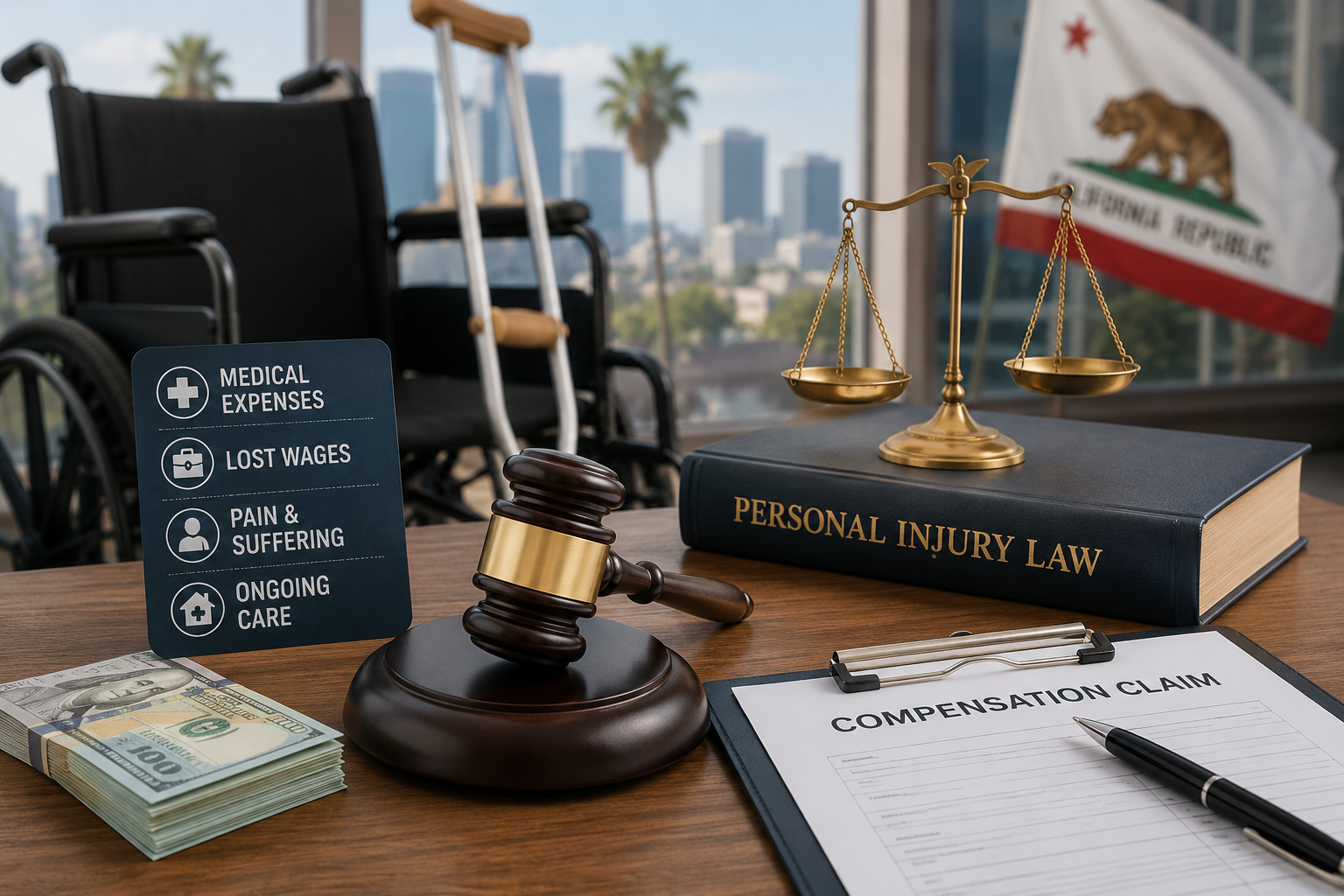

A positive pregnancy test should not put your paycheck, career, or health insurance at risk. Yet pregnancy discrimination at work often starts quietly: a manager suddenly questions your commitment, cuts your hours, removes responsibilities, or pressures you to take leave before you are ready.
California employees do not have to accept this treatment. Employers are not free to punish a worker for becoming pregnant, needing medical care, requesting an accommodation, taking protected leave, or returning to work after childbirth. If your employer is making a difficult time even harder, you may have legal options.
What Is Pregnancy Discrimination at Work?
Pregnancy discrimination happens when an employer treats an applicant or employee worse because of pregnancy, childbirth, a related medical condition, or a perceived pregnancy. It can affect hiring, scheduling, pay, promotions, leave, job assignments, benefits, discipline, and termination.
The law does not require an employer to say, “We are firing you because you are pregnant,” for a case to exist. Employers rarely make discrimination that obvious. More often, the evidence is in the timing and the changed treatment. A worker with strong reviews may suddenly be labeled unreliable after disclosing a pregnancy. A supervisor may claim a pregnant employee is “too emotional,” “not committed,” or unable to handle a role without asking what accommodations may be appropriate.
Under California’s Fair Employment and Housing Act, employers with five or more employees generally cannot discriminate based on pregnancy or related conditions. Federal protections may also apply, including the Pregnancy Discrimination Act for covered employers. The details matter, but one point is clear: pregnancy is not a legitimate reason to push a worker out.
Warning Signs You Should Not Ignore
One unpleasant comment is not always enough to prove a legal claim. But a pattern of conduct, especially after your employer learns you are pregnant, deserves attention. Watch for warning signs such as:
- A job offer disappears, a promotion is delayed, or your hours are cut after you disclose your pregnancy.
- Your manager pressures you to take leave early, quit, or move into a lower-paying role you did not request.
- You are denied reasonable workplace changes recommended by your medical provider, such as light duty, more breaks, or limits on lifting.
- You are disciplined for pregnancy-related absences while other employees are allowed similar flexibility.
- Your employer replaces you, eliminates your position, or creates performance complaints soon after you announce a pregnancy or request leave.
Comments can also matter. Statements about your body, morning sickness, future childcare plans, or whether you will “come back full time” may help show a supervisor’s bias. Write down who said what, when it happened, and who heard it. Details fade quickly, especially when you are juggling appointments, symptoms, work, and family responsibilities.
Your Right to Pregnancy Leave and Accommodation in California
Pregnancy does not mean you have to choose between your health and your job. California law may give eligible workers several protections, depending on the employer’s size, the employee’s work history, and the medical circumstances.
Pregnancy Disability Leave
California Pregnancy Disability Leave, often called PDL, can provide up to four months of job-protected leave for a worker disabled by pregnancy, childbirth, or a related medical condition. Leave can be used all at once or intermittently when medically necessary. That may include time for severe morning sickness, prenatal care, bed rest, recovery from childbirth, postpartum depression, or other qualifying conditions.
An employer cannot retaliate because you need this leave. It also cannot demand that you take leave if you can safely perform your job with a reasonable accommodation.
Reasonable Accommodations
A medical provider may recommend changes that allow you to keep working safely. Depending on the job, a reasonable accommodation could include modified duties, temporary transfer to a less strenuous or hazardous position, extra rest or bathroom breaks, a stool, a schedule adjustment, or time off for prenatal appointments.
Employers do not have to grant every request exactly as made, and some requests may create an undue hardship. But they must take the request seriously and engage in a good-faith process. A flat refusal, a demand that you quit, or a decision to force you onto unpaid leave without exploring workable options can be a serious problem.
Bonding Leave After Birth
After pregnancy disability leave ends, eligible California employees may have additional leave rights to bond with a new child. The California Family Rights Act may provide up to 12 weeks of protected bonding leave for qualifying employees. Eligibility rules can apply, including time worked and hours worked, so do not assume your employer’s first answer is the final word.
Pay during leave can be complicated. Job protection, sick leave, vacation pay, state disability benefits, and paid family leave are separate issues. An employer may have obligations even if it is not required to provide full wages during every part of your leave.
Retaliation Is a Separate Violation
Many employees are not fired because they are pregnant. They are fired after they speak up. That distinction does not protect the employer.
Retaliation may occur when an employer punishes you for reporting discrimination, requesting an accommodation, taking protected leave, asking about your rights, or participating in an investigation. A sudden write-up, schedule cut, demotion, hostile treatment, or termination after you make a request can be evidence of retaliation.
Do not let an employer rewrite the story by calling retaliation a “business decision.” Businesses can make legitimate staffing decisions, but they cannot use a restructuring, performance review, or attendance policy as cover for unlawful treatment. The timing, the employer’s past practices, and how other workers were treated can all matter.
What to Do If You Are Being Treated Unfairly
If you believe you are facing pregnancy discrimination at work, protect yourself before the employer controls the paper trail. Start by keeping copies of relevant documents outside of work systems, including performance reviews, schedules, pay records, emails, texts, written requests for leave or accommodation, medical notes, and disciplinary notices. Do not take confidential company files that you are not entitled to possess.
Make requests in writing whenever possible. You do not need to disclose every medical detail to your supervisor, but you should clearly state that you are requesting pregnancy-related leave or an accommodation. If your employer denies the request, ask for the reason in writing.
You may also report discrimination through human resources or an internal complaint process. That can create useful documentation, but HR works for the company, not for you. Be factual, preserve your records, and avoid signing a severance agreement, resignation letter, or “final warning” without understanding the consequences.
California discrimination claims often involve deadlines and administrative filing requirements. Waiting can make it harder to locate witnesses, preserve messages, and challenge the employer’s explanation. Speaking with an employment attorney early can help you assess the facts, protect your job when possible, and pursue compensation if your employer has already caused harm.
You Deserve Protection, Not Punishment
Pregnancy can bring enough physical, emotional, and financial pressure without an employer threatening your livelihood. You have the right to seek medical care, request support, take protected leave when eligible, and return to work without being treated as a problem to be removed.
If your employer has targeted you because you are pregnant, Accident Defenders can help you understand your options and fight for the justice you deserve. A strong claim can seek lost wages, lost benefits, emotional distress damages, and other available relief. You do not have to face an employer’s pressure alone, and you should not have to sacrifice your future to protect your health.