
A head injury can change everything in a matter of seconds. One motorcycle crash can leave you dealing with emergency care, missed work, memory problems, headaches, and a future that suddenly feels uncertain. If you are trying to understand motorcycle accident head injury compensation in California, the first thing to know is this: insurers often move fast to limit what they pay, especially when the injury is serious, expensive, and likely to affect your life long term.
That is exactly why these cases need careful attention from the start. A head injury claim is not just about the ambulance bill or the first hospital visit. It is about the full impact on your health, income, independence, and daily life.
Why head injury cases are different
Not every motorcycle injury claim carries the same weight. Road rash, fractures, and soft tissue injuries can be serious, but head trauma raises a different set of issues. A traumatic brain injury can affect concentration, speech, mood, sleep, balance, and the ability to work. Some people recover well. Others deal with symptoms for months, years, or permanently.
That uncertainty is one reason insurance companies fight these claims so hard. They may argue that the rider looks fine, returned to work too soon, or had a preexisting condition. They may also downplay a concussion because there is no dramatic image on a scan. But anyone living with dizziness, migraines, irritability, memory loss, or cognitive fatigue knows how damaging a so-called mild brain injury can be.
In California, compensation should reflect what the injury actually costs you, not what an adjuster decides is convenient. That means looking beyond the initial diagnosis and asking a harder question: what has this crash taken from you, and what will it continue to cost in the future?
What motorcycle accident head injury compensation can include
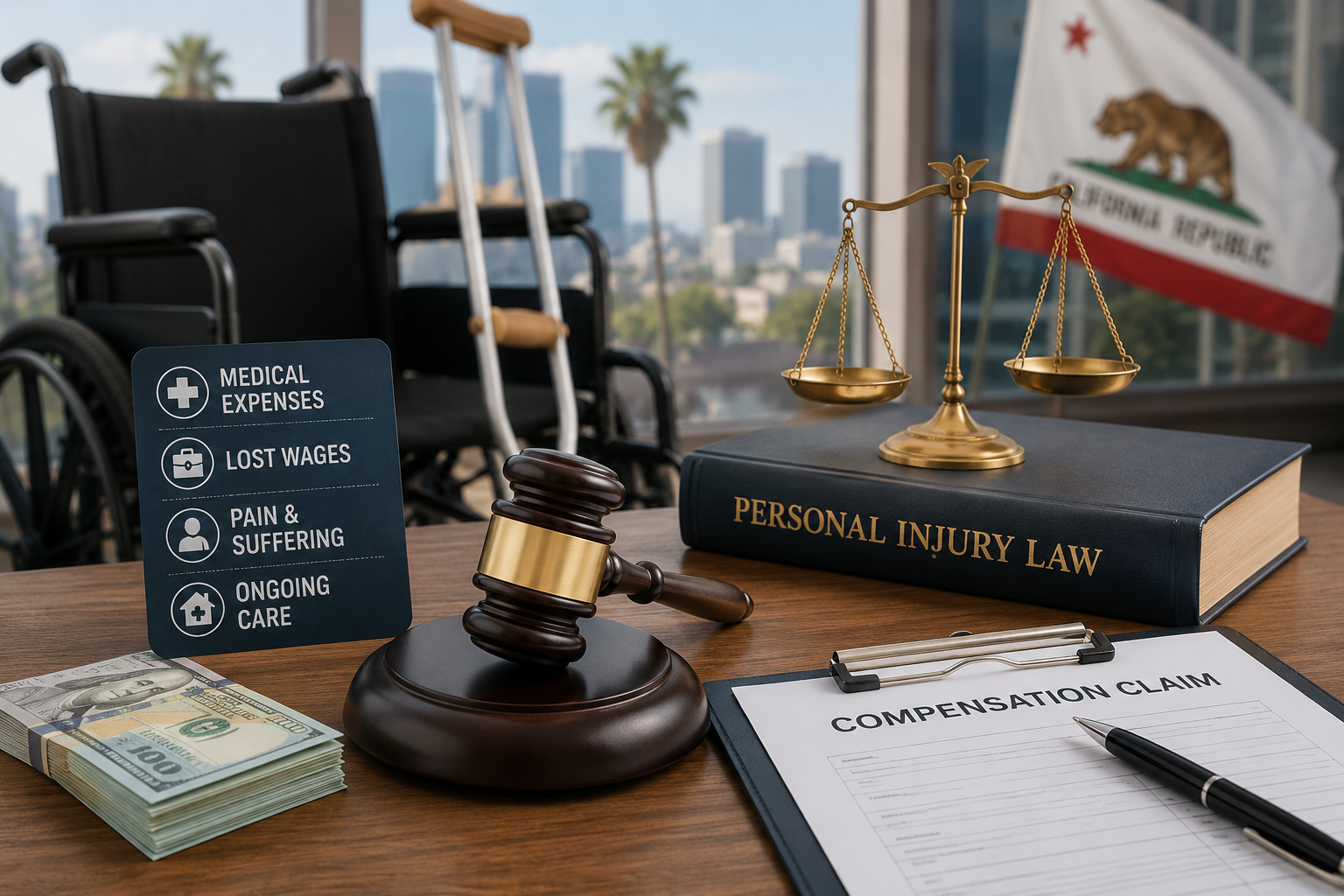
Motorcycle accident head injury compensation may cover both economic and noneconomic losses. Economic damages are the financial harms you can measure, such as hospital bills, surgery, follow-up appointments, rehabilitation, prescriptions, imaging, and future medical treatment. They can also include lost wages, reduced earning capacity, and out-of-pocket costs tied to your recovery.
Noneconomic damages matter just as much in a serious head injury case. These include pain, emotional distress, loss of enjoyment of life, and the day-to-day limitations that do not show up neatly on a receipt. If you cannot focus the way you used to, cannot ride again, cannot parent the same way, or cannot return to the career you built, that loss is real.
In the most severe cases, damages may also include long-term care needs, home assistance, and compensation for permanent disability. If the crash caused a fatal brain injury, surviving family members may have a wrongful death claim as well.
The value of any case depends on the facts. There is no honest calculator that can tell you what your claim is worth in five minutes. Severity of injury, fault, insurance coverage, medical evidence, work history, and long-term prognosis all play a major role.
The key issue in California: proving the full impact
A strong claim is built on evidence, and head injury claims often require more of it. It is not enough to say you hit your head and still do not feel right. You need medical records, physician opinions, diagnostic testing when available, treatment notes, and a clear timeline showing how symptoms developed after the crash.
This is where many injured riders get shortchanged. They wait too long to seek care, miss follow-up appointments, or assume symptoms will go away. Then the insurance company points to the gap in treatment and argues the injury was not serious. That argument is common, and it can be effective if the file is weak.
The strongest cases usually show consistent treatment, documented symptoms, and a clear link between the motorcycle collision and the head injury. Sometimes that means neurologists, neuropsychological testing, occupational therapy, or testimony from family members and coworkers who can explain the changes they have seen. Real life evidence matters because brain injuries often show up in behavior, performance, and daily functioning, not just in emergency room records.
Helmet use and compensation
Many riders worry that not wearing a helmet automatically destroys the case. In California, helmet laws matter, and failure to wear a helmet can become an issue in a claim. But it does not always end the case. California follows comparative fault rules, which means compensation can be reduced based on a person’s share of responsibility.
That said, the other driver does not get a free pass for causing the crash. If a speeding driver, distracted driver, or reckless driver hit you, their negligence still matters. The legal fight often becomes more complicated, not impossible. The question shifts to how much of the head injury could have been avoided and how fault should be allocated.
Insurers know juries can react strongly to helmet issues, so they use that pressure to push low settlements. That is one more reason these cases should be prepared aggressively and early.
What can hurt a head injury claim
Some mistakes are understandable, especially when you are in pain and overwhelmed. But they can still damage the value of your case.
A recorded statement to the other driver’s insurer is one of the biggest traps. Adjusters are trained to ask questions that sound harmless but can later be used against you. If you say you are feeling better, not sure what happened, or think you may have been partly at fault, those words can show up later when money is on the line.
Social media can also become a problem. A single photo or post can be taken out of context and used to argue that your symptoms are exaggerated. The same goes for missing appointments, stopping treatment too soon, or going back to physically or mentally demanding work before your doctors understand the extent of the injury.
Another issue is settling too early. With head trauma, the long-term picture is not always clear right away. What feels like a temporary concussion may turn into chronic headaches, sensory issues, or cognitive problems that interfere with work and relationships. Once a case settles, you usually cannot go back and ask for more.
How these cases are valued in the real world
People want numbers, and that is understandable. Medical bills are piling up and work may be uncertain. But serious injury claims are not valued by a simple formula. Insurance carriers look at liability, policy limits, medical support, treatment consistency, future care needs, and how believable and well-documented the damages are.
They also look at risk. If your case is being handled by a law firm prepared to fight, build medical proof, and take the case to trial if needed, that changes the conversation. Insurers tend to pay less when they believe the injured person is isolated, pressured, and likely to accept a quick check.
That is why legal strategy matters. A good case presentation shows not only what happened in the crash but how the head injury altered your life. It frames the losses in a way that is human, specific, and backed by evidence.
What to do after a motorcycle crash involving head trauma
If you suspect a head injury, get medical care right away, even if symptoms seem mild at first. Concussions and brain injuries can worsen or become more obvious in the hours and days after a crash. Follow medical advice, attend follow-up visits, and tell your doctors exactly what symptoms you are having.
It also helps to keep records. Save discharge papers, bills, prescriptions, imaging reports, work notices, and anything else connected to the crash. If your symptoms affect memory, mood, sleep, or concentration, write that down too. A simple journal can become powerful evidence later.
Do not assume the insurance company will fairly account for future losses. Their goal is usually to close the claim for as little as possible. If you are facing serious symptoms, mounting medical costs, or any sign of lasting impairment, speak with a California injury lawyer before making statements or signing anything.
At Accident Defenders, we know how insurers defend catastrophic injury claims because we know how they think. More importantly, we know what injured people are up against when a crash leaves them unable to work, care for their families, or trust their own recovery timeline.
When to talk to a lawyer about motorcycle accident head injury compensation
The short answer is sooner than most people think. If there is a head injury, disputed fault, significant medical treatment, or pressure from an insurance adjuster, waiting can cost you. Evidence can disappear, symptoms can be minimized, and the story of your case can get shaped by the other side before you have a chance to protect it.
A serious motorcycle crash does not just interrupt your life. It can force you into a fight you never asked for, against drivers, insurers, and defense tactics designed to reduce your pain to a spreadsheet. You deserve better than that, and the right legal help can make sure your claim reflects the full cost of what this injury has done to you.