
A brain injury can turn a routine shift, commute, or weekend drive into a crisis that follows a family for months or years. This guide to brain injury lawsuits explains what California injury victims need to know when medical bills rise, work becomes impossible, and an insurer starts looking for reasons to pay less.
Brain injuries are not always visible. A person may walk away from a crash or fall, speak normally, and still develop headaches, memory loss, dizziness, sleep problems, depression, personality changes, or trouble concentrating. Those symptoms can affect a career, a relationship, and the ability to manage daily life. You deserve to be taken seriously from the start.
Get Medical Care Before the Insurance Company Rewrites the Story
After a blow to the head, loss of consciousness, violent jolt, or suspected concussion, prompt medical evaluation protects both your health and your claim. Emergency care is necessary when symptoms are severe, but follow-up care matters too. Brain injury symptoms can emerge or worsen over time, and a rushed emergency room visit may not capture the full picture.
Follow your doctor’s treatment plan, attend referrals to neurologists or other specialists, and tell providers about every symptom, even if it feels minor or embarrassing. Trouble finding words, sensitivity to light, irritability, and exhaustion are not details to hide. They may be evidence of a traumatic brain injury and the real limits it places on your life.
Insurance adjusters often argue that a claimant was not badly hurt because there was a delay in treatment, a gap in care, or no visible injury. They may also blame symptoms on a prior condition, stress, age, or an unrelated event. Consistent medical records give your legal team a stronger foundation to fight those arguments.
Which Type of Brain Injury Claim Applies?
The right legal path depends on how the injury happened. In California, a car, truck, motorcycle, bicycle, pedestrian, rideshare, or premises accident may lead to a personal injury claim against the negligent driver, property owner, business, or other responsible party. The goal is to hold the at-fault party accountable for the harm their carelessness caused.
If the injury happened at work, workers’ compensation may provide medical treatment, temporary disability benefits, permanent disability benefits, and other support. You do not generally have to prove that your employer intended to harm you to receive workers’ compensation benefits. But employers and insurance carriers may still dispute whether the injury occurred at work, whether treatment is necessary, or whether you can return to work.
Some workplace cases involve both a workers’ compensation claim and a separate personal injury case. For example, a delivery driver injured by another motorist while working may have a workers’ compensation claim through the employer and a third-party claim against the negligent driver. A construction worker hurt by defective equipment or another contractor may also have claims beyond workers’ compensation. These cases require careful coordination because one claim can affect the other.
Evidence That Makes a Brain Injury Lawsuit Stronger
A diagnosis alone does not always persuade an insurer to offer fair compensation. The most effective cases connect the accident, the medical condition, and the losses that followed. That requires evidence gathered early and preserved carefully.
Medical records are central, including emergency room notes, imaging, specialist evaluations, therapy records, prescriptions, and neuropsychological testing when appropriate. Imaging can be useful, but a normal scan does not automatically mean a brain injury is absent. Many concussions and mild traumatic brain injuries are diagnosed through symptoms, examinations, and cognitive testing rather than a single image.
The accident evidence matters just as much. In a vehicle crash, this can include photographs, witness statements, police reports, vehicle damage, traffic-camera footage, cell phone records, and data from commercial trucks. In a fall or workplace incident, it may include incident reports, surveillance footage, maintenance records, safety policies, defective equipment, and testimony from coworkers.
Your own day-to-day record can be powerful. Keep a simple journal of headaches, missed work, sleep problems, appointments, pain levels, emotional changes, and activities you can no longer do. Family members may also notice changes that you do not fully recognize. Their observations can help show the human impact of an injury that an adjuster may try to minimize.
Compensation in a California Brain Injury Case
The value of a brain injury lawsuit depends on the facts, medical prognosis, available insurance coverage, and proof of fault. There is no honest one-size-fits-all settlement number. A concussion that resolves quickly may involve a very different claim from a traumatic brain injury that causes permanent cognitive impairment or requires lifelong care.
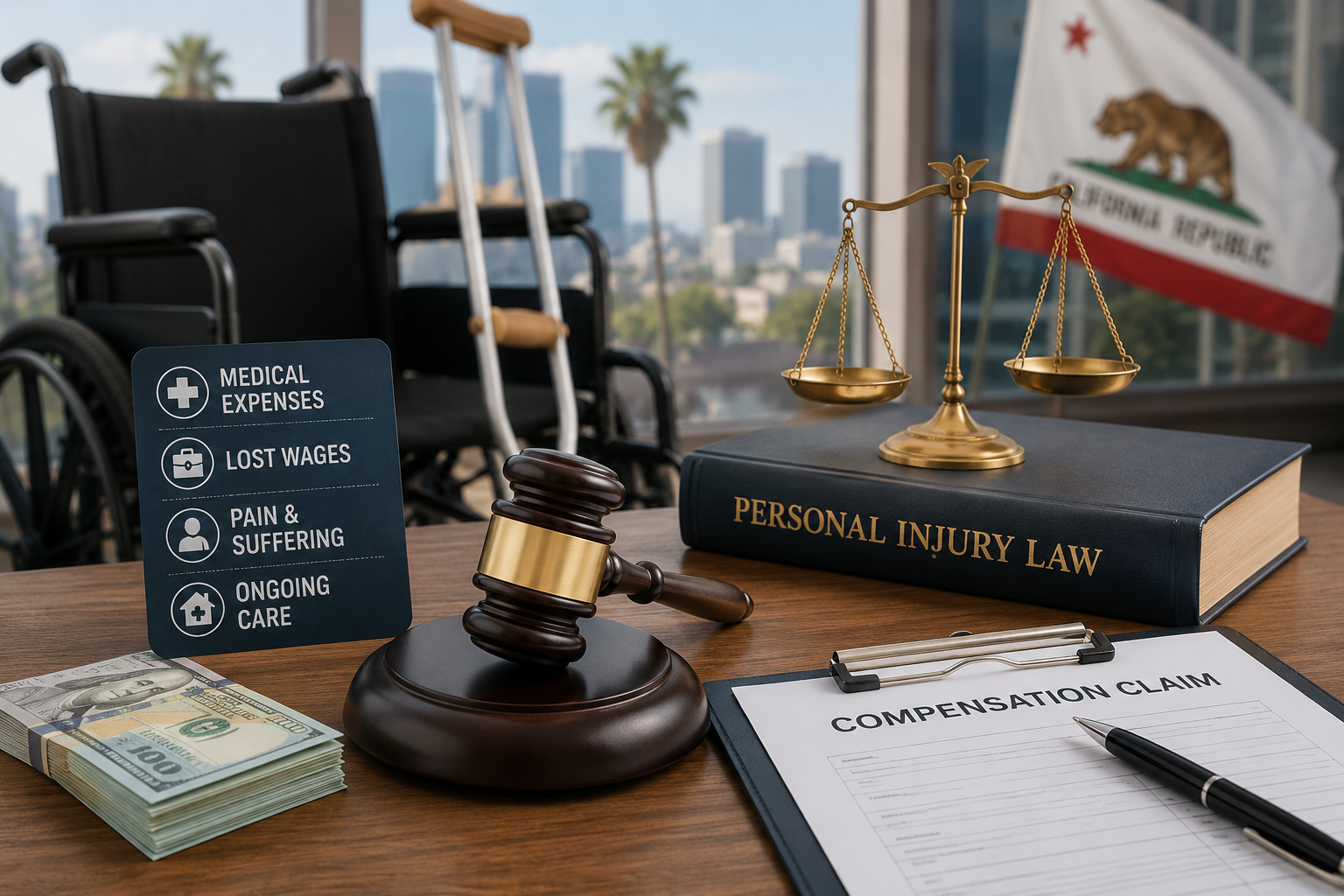
In a successful personal injury case, compensation may include past and future medical expenses, lost income, reduced earning capacity, rehabilitation, home modifications, and the cost of care or assistance. It can also include pain, suffering, emotional distress, and loss of enjoyment of life. When a brain injury changes how a parent communicates with a child or prevents a worker from returning to a skilled trade, those losses are real.
Workers’ compensation benefits are structured differently. They may cover authorized medical treatment and wage-replacement benefits, but they generally do not provide the same pain-and-suffering damages available in a personal injury lawsuit. That difference is one reason it is critical to identify every potentially responsible third party after a work-related accident.
Do Not Let an Insurer Control the Timeline
Insurers move quickly after serious accidents because an early statement, broad medical release, or low settlement can protect their bottom line. You are not required to accept the first offer simply because bills are arriving. You should be especially cautious if an adjuster suggests that you do not need a lawyer, asks for a recorded statement, or pressures you to sign medical authorizations that reach far beyond the injury at issue.
A settlement should account for the future, not just today’s unpaid bills. Before accepting any offer, consider whether you have reached maximum medical improvement, whether doctors expect ongoing treatment, whether you can return to the same job, and whether symptoms could interfere with future work. Once a claim is settled, you usually cannot reopen it later because your condition proved more serious than the insurer claimed.
The defense may argue that you were partly responsible for an accident or that a prior injury explains your symptoms. California’s comparative negligence rules can reduce compensation by the percentage of fault assigned to you, but being partly at fault does not automatically prevent recovery. An aggressive legal strategy focuses on the evidence, challenges unfair blame, and refuses to let the defense erase the harm caused by another party’s negligence.
Deadlines Can End a Claim Before It Starts
California deadlines are strict, and the correct deadline depends on the type of case and who is responsible. Many personal injury lawsuits must be filed within two years of the injury, though exceptions can apply. Claims involving government entities often require a formal government claim much sooner, frequently within six months.
For work injuries, employees should generally notify an employer as soon as possible and within 30 days. Workers’ compensation filing rules have additional deadlines that can be complicated by delayed symptoms, disputes over work causation, or the employer’s conduct. Waiting gives insurers more room to challenge the claim and may put vital evidence out of reach.
Do not rely on a general deadline you found online to protect your rights. The facts of your accident, age, employment status, injury diagnosis, and the identity of the responsible parties can all change the analysis.
How a Brain Injury Lawyer Builds the Fight
A serious brain injury case is not just paperwork. It may require investigators, medical experts, vocational experts, life-care planners, and a clear presentation of how the injury changed a person’s future. The legal team must also be prepared to expose insurance tactics designed to downplay symptoms that are difficult for strangers to see.
At Accident Defenders, injured workers and accident victims get direct, compassionate support backed by a willingness to fight insurers and responsible parties. The firm works on a contingency-fee basis, meaning there are no upfront attorney fees and no fee unless there is a recovery.
If a head injury has left you or someone you love overwhelmed, protect the medical evidence, avoid rushing into an insurance settlement, and get answers before critical deadlines pass. The right advocate can give you room to focus on healing while someone stands up for the compensation and justice your family needs.