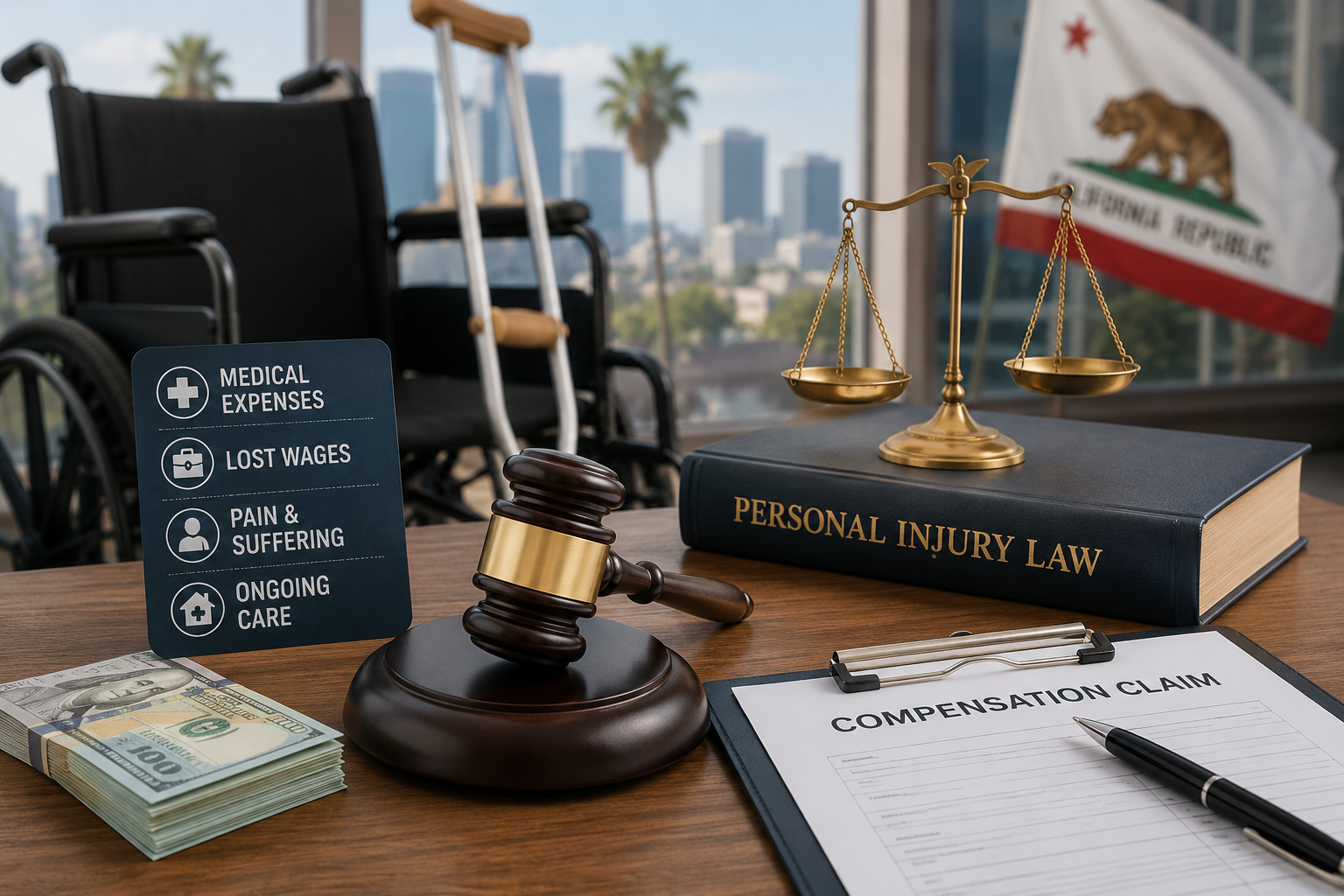

The first settlement offer can arrive when bills are piling up, work is missed, and you are desperate for relief. That timing is not accidental. Knowing how to handle an insurer’s low settlement offer can protect you from accepting far less than the full cost of your injury, treatment, lost income, and pain.
Insurance companies are businesses. Their adjusters may sound helpful, but they are trained to evaluate claims in a way that limits what the company pays. A quick offer may be reasonable in a minor, fully resolved claim. But after a serious car crash, workplace injury, rideshare collision, or fall, accepting too early can leave you paying future expenses out of your own pocket.
Why Insurers Make Low Offers
An insurer does not need to prove that you have no case to make a low offer. It only needs to believe you may accept it. Financial pressure, uncertainty about medical care, and fear of conflict can all make an injured person vulnerable to a fast, inadequate settlement.
The insurer may argue that your medical treatment was unnecessary, that a prior injury caused your symptoms, or that you were partly at fault. It may rely on a short medical record, a property-damage estimate, or a recorded statement taken before you understand the full extent of your injuries. In California, these arguments can affect negotiations, but they do not automatically defeat a legitimate claim.
The biggest problem is often timing. Soft-tissue injuries, concussions, spinal injuries, and psychological trauma do not always reveal their full impact in the first few days or weeks. If you sign a release before your condition stabilizes, you will usually give up the right to seek more money later, even if your pain worsens or you need surgery.
Do Not Accept, Sign, or Cash Anything Yet
A settlement check, release, or electronic signature request can carry serious consequences. Before agreeing to anything, ask the adjuster to send the offer and all settlement terms in writing. You are entitled to understand exactly what the payment covers and what rights you are being asked to release.
Do not let an adjuster pressure you with an arbitrary deadline. Some offers do expire, but a demand for an immediate answer is often a negotiation tactic. You can say that you are reviewing the offer, continuing medical care, or speaking with an attorney. Keep the response calm, brief, and documented.
This does not mean you should ignore the claim. California claims have legal deadlines, and missing one can put your recovery at risk. The right move is to protect your position while gathering the information needed to value the case correctly.
How to Handle an Insurer’s Low Settlement Offer
Start by comparing the offer to your actual losses, not just the bills currently in your mailbox. A fair settlement analysis may include medical expenses, future treatment, lost wages, reduced earning capacity, property damage, out-of-pocket costs, and the human impact of pain and limitations. The value depends on the facts, available insurance coverage, and evidence supporting each category of loss.
Get the offer in writing and identify what it covers
Ask whether the offer is intended to resolve bodily injury only, property damage only, or every claim arising from the accident. A property-damage settlement may be separate from an injury claim, but never assume that is true without reading the paperwork. Broad release language can be much more damaging than the payment amount suggests.
Save every email, letter, text, voicemail, and claim reference number. After a phone call, write down the date, the adjuster’s name, and what was said. A clear paper trail helps prevent the insurer from changing its position later.
Build the evidence before you negotiate
Your claim is only as strong as the proof behind it. Continue medically appropriate treatment and follow your provider’s instructions. Gaps in care give insurers an opening to argue that you recovered quickly or that your injuries were not serious.
Keep copies of medical records, bills, prescriptions, work restrictions, pay stubs, repair estimates, receipts, and photographs. If your injury affects sleep, parenting, driving, household tasks, or your ability to do your job, keep a simple daily journal. Specific details are more persuasive than a general statement that you are in pain.
For a car or truck collision, preserve photographs of the vehicles, the scene, and visible injuries. For a workplace injury, report the incident promptly and document what happened, who saw it, and when you notified a supervisor. Different claims follow different rules, so the evidence and deadlines may not be the same.
Do not give the insurer ammunition
You generally do not have to accept a recorded statement simply because an adjuster requests one. You also should not speculate about fault, minimize symptoms, or guess about your medical future. Statements such as “I’m fine” or “I might have looked down for a second” can be pulled out of context and used to reduce your claim.
Be careful with social media as well. A single photo or post can be misrepresented as proof that you are not injured. You do not need to disappear from your life, but do not give the insurance company a free highlight reel to use against you.
Make a reasoned counteroffer, not an emotional one
If you choose to negotiate directly, respond with facts. Explain why the offer does not account for documented treatment, wage loss, ongoing symptoms, or liability evidence. Include records that support your position and state a counteroffer that reflects the real value of the claim.
Avoid treating a counteroffer like a personal argument. The adjuster expects negotiation. Your leverage comes from credible documentation, a willingness to reject an inadequate amount, and the ability to show that you understand the claim is worth more.
When a Low Offer Calls for a Lawyer
Some cases are too high-stakes to negotiate alone. Speak with a California injury attorney promptly if you have fractures, surgery, a brain injury, permanent limitations, substantial lost wages, disputed fault, multiple vehicles, a commercial truck, an uninsured driver, or pressure to settle before treatment is complete.
Legal help can also matter when an insurer denies the claim, delays communication, or says the policy limits are low. An attorney can investigate coverage, calculate damages, obtain evidence, manage insurer communications, and prepare the claim for litigation when the company refuses to be reasonable.
Workers’ compensation claims deserve special care. The insurance carrier may dispute whether an injury happened at work, challenge a doctor’s recommendations, or limit benefits. If a third party contributed to the injury, such as a negligent driver or contractor, there may be a separate personal injury claim as well. The interaction between these claims can be complicated, and a quick settlement in one matter can affect another.
At Accident Defenders, we understand how insurers evaluate risk because we know the defense playbook. Our job is to stand between injured Californians and the pressure tactics designed to make them settle cheap. There are no upfront fees for qualified injury cases, and you do not pay attorney fees unless there is a recovery.
A Fair Settlement Is About Your Future, Not Their First Number
No attorney can honestly promise a specific result, and not every low offer requires a lawsuit. Sometimes further medical documentation and a firm counteroffer are enough. Other times, filing a case is the only way to show an insurer that delay and denial will not force you to surrender your rights.
You have already carried the pain, the appointments, the missed work, and the uncertainty. Before you sign away your claim for a number that protects the insurer more than it protects you, get clear advice about what your case may truly require to move forward.