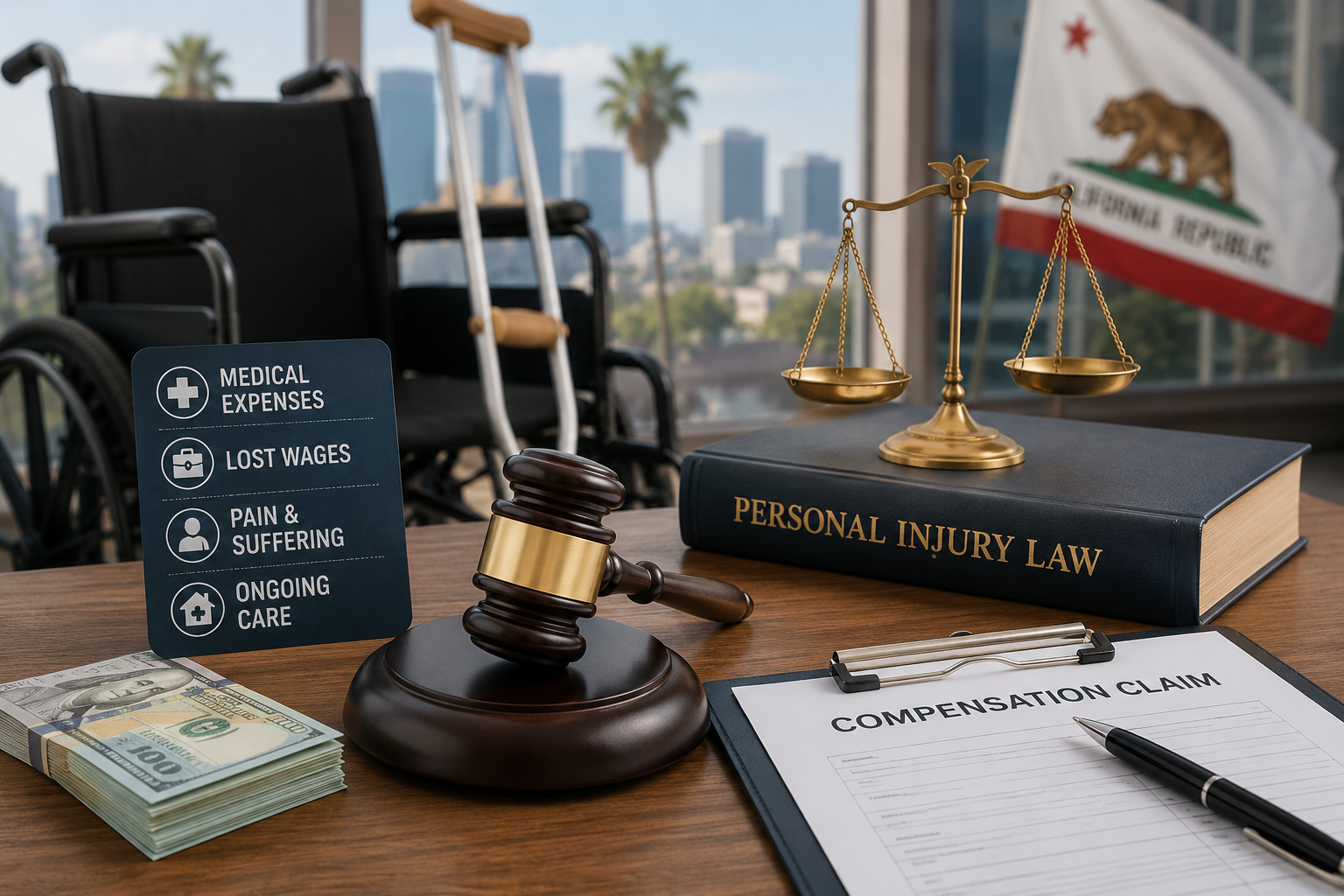

After an accident, many people expect a personal injury claim to resolve quickly, but legal delays are often tied to issues that must be addressed before a fair outcome is possible. Questions about fault, the need for complete medical records, ongoing treatment, expert review, insurer resistance, and court scheduling can all slow progress and make even straightforward claims take longer than expected. Understanding these legal factors helps explain why timelines vary from case to case and why patience is often part of pursuing compensation.
To help you, in the sections ahead, we will examine the legal, procedural, and evidentiary reasons personal injury cases are delayed and what those delays can mean for injured claimants.
Legal Factors Behind Case Delays
Personal injury case delays are driven by medical stabilization requirements, detailed liability investigations, and the time needed to fully assess long-term damages through complete medical evidence. Insurance companies add further delays through internal reviews, authorization layers, and settlement negotiations, while disputes over compensation often extend resolution timelines. Court scheduling, discovery procedures, and third-party document retrieval also slow progress. Personal injury lawyers streamline the personal injury legal process by structuring claims, managing evidence, and enforcing deadlines to reduce delays and strengthen outcomes in an injury lawsuit.
What are the Key Reasons Behind Personal Injury Case Delays?
Understanding the key reasons behind personal injury case delays helps explain how different stages of a claim slow down resolution. Below are the key factors behind these delays.
Medical Stabilization and Injury Assessment Timeline
Personal injury lawsuits are delayed until the injured person’s condition becomes medically stable. Doctors need to confirm the final extent of recovery, permanent impairment, or long-term complications. Without this stage, compensation cannot be accurately calculated because future treatment costs, disability percentage, and recovery duration remain uncertain.
Complex Determination of Legal Responsibility
Establishing fault often requires a detailed reconstruction of the incident. Investigators analyze physical evidence, witness accounts, traffic data, safety compliance, and sometimes expert accident reconstruction reports. When multiple parties are involved or when facts are disputed, determining liability becomes time-consuming and extends the case timeline.
Internal Insurance Evaluation and Authorization Process
Insurance companies follow a structured internal workflow before approving settlements. Claims are reviewed by adjusters, then escalated to legal and risk departments for policy interpretation and financial exposure analysis. High-value claims may require senior management approval, making the process slower due to multiple internal checkpoints.
External Documentation and Record Retrieval Delays
Personal injury claims rely heavily on documents controlled by third parties such as hospitals, diagnostic labs, employers, and police departments. Obtaining certified medical records, income verification, and official accident reports often takes time due to administrative procedures, backlog, or formal verification requirements.
Court System Scheduling and Procedural Delays
If a case moves to litigation, it enters a court system that handles a large number of pending cases. Hearings, discovery processes, depositions, and trial dates are scheduled based on judicial availability. This results in long gaps between proceedings, significantly extending the overall case duration.
Disputes During Settlement Negotiations
Even when liability and evidence are established, cases can still be delayed due to disagreements over compensation value. Insurance companies typically offer lower settlements, while claimants seek more serious damages. Continuous counteroffers, legal strategy adjustments, and mediation sessions can prolong the final agreement.
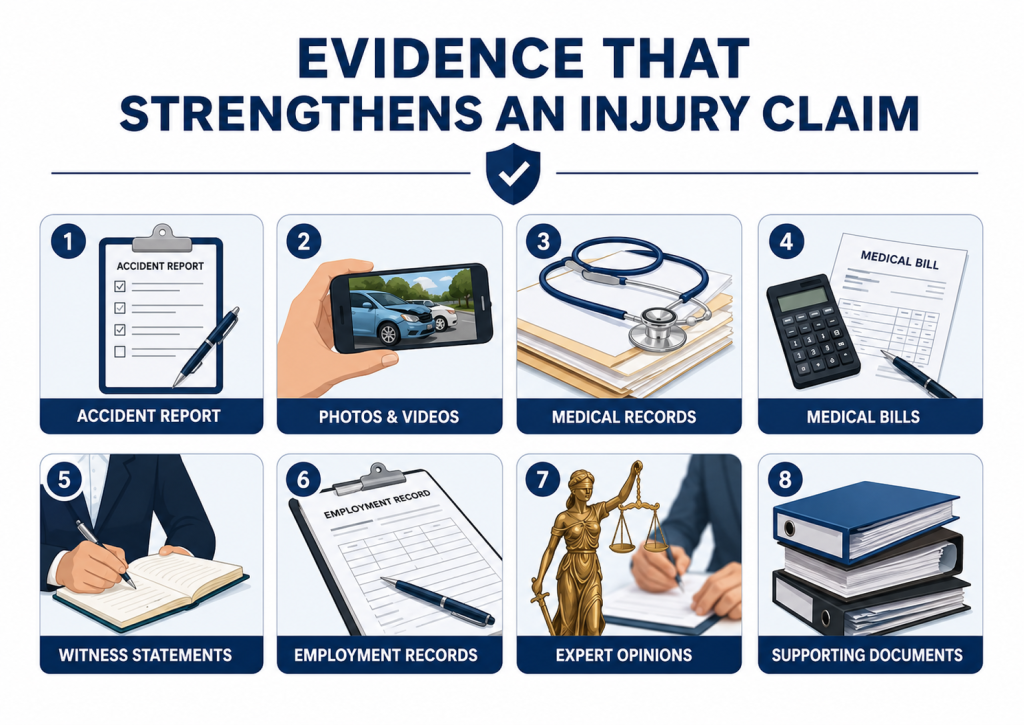
Evidence That Strengthens an Injury Claim
Evidence that strengthens an injury claim includes consistent treatment history, diagnostic imaging, physician prognosis reports, and documented functional limitations over time.
How a Personal Injury Lawyer Can Help With Fastening the Compensation Process?
The following points outline how personal injury lawyers’ handling improves settlement speed and efficiency.
Legal Claim Structuring at Filing Stage
A lawyer converts raw incident facts into a legally optimized claim by aligning allegations with jurisdiction-specific tort standards and procedural requirements. This reduces early-stage rejection risks and prevents procedural corrections that typically restart claim timelines.
Strategic Case Framing for Faster Evaluation
Claims are framed to immediately meet insurer evaluation criteria, including liability clarity, causation linkage, and quantifiable damages. This “pre-structured” presentation reduces internal insurer review cycles and shortens decision latency.
Evidence Integrity Management
Lawyers ensure legally admissible medical evidence is preserved and authenticated through formal preservation notices and chain-of-custody control. This prevents disputes over authenticity, which are a major cause of delayed liability acceptance and extended investigation phases.
Controlled Information Flow to Insurers
Instead of reactive submissions, lawyers provide complete and consolidated claim packets. This includes organized medical, wage, and liability documentation in a single structured submission, reducing repeated insurer information requests and administrative backlogs.
Litigation Readiness as a Negotiation Trigger
A fully prepared litigation file, including pleadings, discovery templates, and expert-ready reports, increases the perceived probability of trial exposure. This shifts insurer behavior from extended evaluation to early settlement optimization due to higher litigation cost-risk exposure.
Procedural Acceleration Through Deadline Enforcement
Lawyers actively enforce statutory and court-imposed timelines for responses, disclosures, and motions. This prevents stagnation caused by missed procedural triggers and ensures continuous forward movement within the civil litigation timeline.
Reduction of Multi-Party Coordination Delays
In cases involving insurers, healthcare providers, and third-party defendants, lawyers centralize communication channels, eliminating fragmented information exchange that typically slows claim progression in complex personal injury cases.
Conclusion
Every stage outlined depends on careful execution, legal experience, and a clear understanding of how personal injury claims progress from investigation to resolution. At Accident Defenders, years of handling complex injury cases have shaped a practical approach to building strong claims for injured individuals. With over 30 years of combined legal experience, the focus remains on preparation, strategy, and ensuring every case is positioned for a fair and well-supported outcome.
FAQs on Personal Injury Case Delays and Legal Process
1. What is the time limit to file a personal injury case?
Most personal injury claims must be filed within a statute of limitations, which varies by jurisdiction and case type, often ranging from one to three years.
2. How long does a personal injury claim usually take to settle?
Settlement timelines vary widely depending on evidence complexity, insurer response time, and negotiation stages, ranging from a few months to several years in disputed cases.
3. Do all personal injury cases go to court?
No, most cases resolve through negotiation or settlement discussions. Only disputed claims with unresolved liability or compensation issues proceed to trial proceedings.
4. How do I track the progress of my personal injury case?
Case progress is tracked through attorney updates, court filings, and insurer communications, reflecting ongoing negotiations, procedural steps, and evidence review stages.
5. What happens if the insurance company denies my claim?
If a claim is denied, legal options may include appeal, negotiation, or filing a lawsuit, depending on the denial reasons and available supporting evidence.