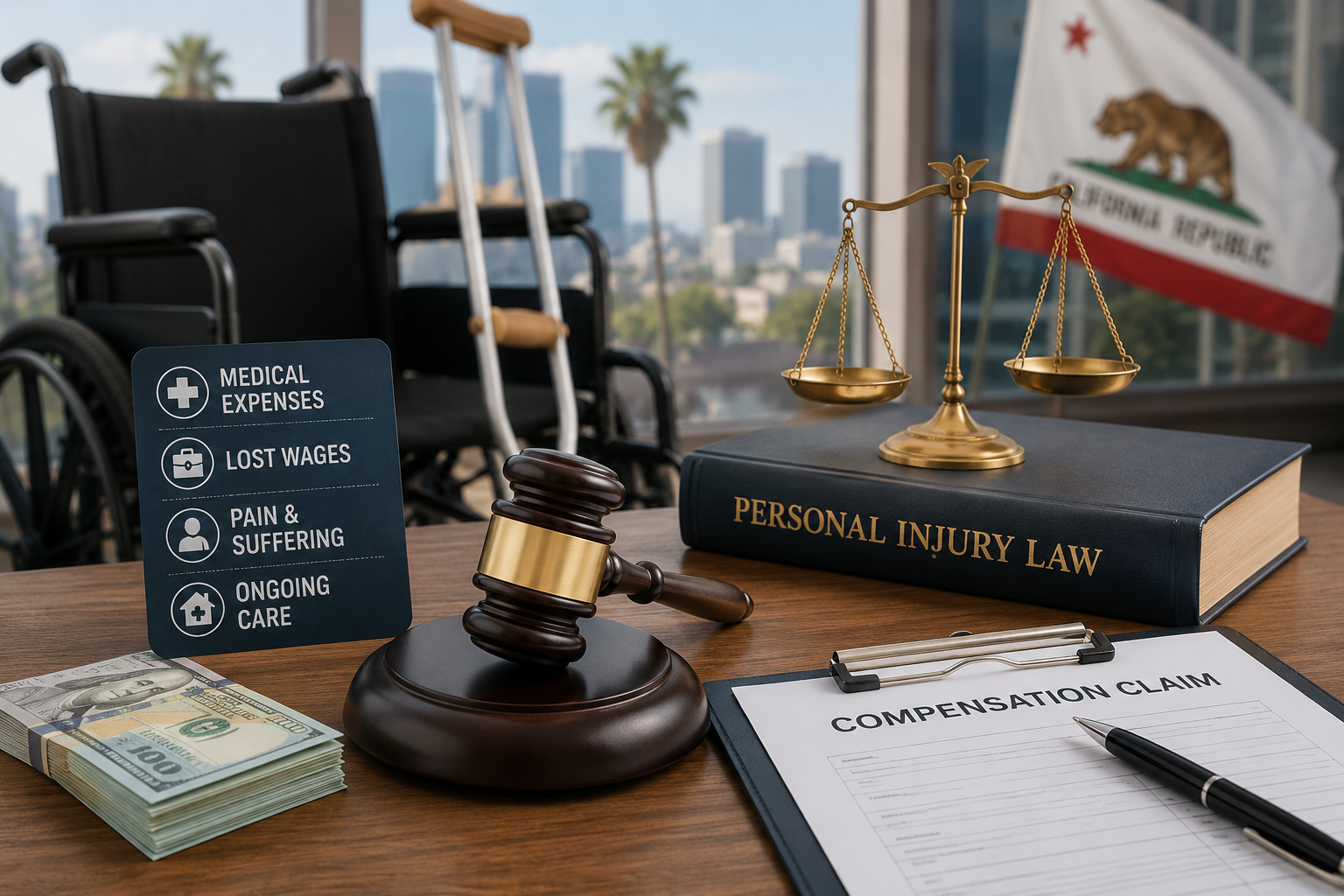
The ambulance ride is over, the ER visit is done, and then the bills start showing up. That is usually when people ask the question that keeps them up at night: who pays medical bills after accident? In California, the answer depends on how the accident happened, what insurance applies, and whether another party can be held responsible. What does not change is this – medical providers expect payment long before your case is resolved.
That gap between treatment and compensation is where many injured people feel trapped. You may be hurt, missing work, and trying to deal with adjusters who act helpful while looking for ways to pay less. The good news is that there are often several possible sources of payment. The hard part is understanding which one applies first, which one gets reimbursed later, and how to protect your recovery from being eaten up by medical debt.
Who pays medical bills after accident in California?
In California, there is no single rule for every case. A car crash, a job injury, a slip and fall, and a rideshare collision can all lead to very different payment paths.
If you were injured in a car accident, your own health insurance often pays first for immediate treatment, subject to deductibles, copays, and network rules. If another driver caused the crash, that driver does not usually pay your doctor directly as treatment happens. Instead, their insurance may eventually pay through a settlement or judgment. That means you may still need to rely on health insurance, MedPay if you have it, or treatment on a medical lien while the claim is pending.
If the injury happened at work, workers’ compensation should generally cover reasonable and necessary medical care related to the job injury. In that setting, you should not be using your regular health insurance for accepted treatment if workers’ comp applies. The problem, of course, is that employers and insurance carriers sometimes delay, deny, or dispute what care is needed.
If the accident happened on someone else’s property, like a store or apartment complex, there is usually no immediate liability insurer stepping in to pay your hospital bill as it arrives. Again, health insurance often becomes the short-term payer while a premises liability claim develops.
The most common ways medical bills get paid
The first source is usually health insurance. If you have private insurance through work, a marketplace plan, or Medicare, that coverage may handle emergency room care, surgery, follow-up visits, imaging, and other treatment. But payment by health insurance does not mean the issue is over. If you later recover money from the at-fault party, your health insurer may claim reimbursement from the settlement, depending on the type of plan and the facts of the case.
Auto MedPay can also help, if you purchased it. MedPay is optional coverage that can pay medical expenses after a car accident regardless of fault, up to the policy limit. It can be useful for copays, deductibles, and treatment costs that hit before the liability claim resolves. Not every driver has it, and the policy limits are often modest, but it can provide breathing room when bills start piling up.
Workers’ compensation is different. For job-related injuries, workers’ comp is designed to cover medical treatment, temporary disability benefits, and other losses without requiring you to prove your employer was negligent. That sounds straightforward, but many workers learn quickly that approval fights are common. Treatment may be limited to certain providers, requests can be reviewed or delayed, and insurers may challenge whether the condition is truly work-related.
Another possibility is treatment on a medical lien. Some doctors agree to treat an injured person now and wait to be paid from a future settlement or verdict. This can be critical for people without health insurance or for those who need specialty care that is difficult to obtain otherwise. The trade-off is that lien-based treatment can be expensive, and those charges may need to be negotiated carefully when the case resolves.
When the at-fault party actually pays
People often assume the driver who caused the crash or the business that created the hazard will immediately cover every bill. That is not how most claims work. Liability insurers typically do not pay as you go. They investigate, question fault, review medical records, and look for reasons to reduce the value of the claim.
In practice, the at-fault party usually pays at the end of the case through a settlement or court judgment. That money may reimburse past medical expenses, compensate future treatment costs, and cover pain and suffering or lost income. But because those funds usually come later, the injured person still needs a plan for getting treatment in the meantime.
That is why timing matters so much. If you delay care because you are waiting for the other side to “take care of it,” your health may get worse and your legal claim may get weaker. Insurers love gaps in treatment. They use them to argue you were not seriously hurt.
What if you do not have health insurance?
This is where many Californians feel the most pressure. If you do not have health insurance, you may still have options, but you need to move carefully.
If the accident was work-related, workers’ comp may cover treatment. If it was a car accident and you have MedPay, that may help with early bills. If neither applies, a lawyer may be able to help connect you with providers who work on a lien basis. In some cases, hospitals also have billing departments willing to discuss payment arrangements or temporary holds while a claim is being investigated.
The bigger point is this: lack of insurance does not mean you should give up on treatment or assume you have no case. It does mean the financial strategy matters almost as much as the legal strategy.
Who pays medical bills after accident if you were working?
If you were hurt while doing your job, who pays medical bills after accident usually points first to workers’ compensation. California law generally requires employers to carry workers’ comp insurance, and that system is supposed to cover job-related medical care.
Still, there are gray areas. Employers may claim you were off the clock. Insurance companies may argue your injury was preexisting. Treatment requests can be delayed through utilization review. If your injury happened in a car crash while driving for work, there may also be both a workers’ comp claim and a third-party personal injury claim, depending on who caused the collision.
That overlap matters because workers’ comp may pay for treatment now, while a third-party case may later recover additional damages that workers’ comp does not fully cover, such as pain and suffering. These cases need to be handled carefully so one claim does not undermine the other.
Why bill reimbursement can get complicated
Even when there is a solid settlement, not every dollar goes straight into your pocket. Medical providers, health insurers, Medicare, Medi-Cal, workers’ comp carriers, and lienholders may all assert rights to reimbursement.
Some claims are negotiable. Some are strictly regulated. Some depend on whether the treatment was accident-related, whether the charges were reasonable, and whether the payer has a legal right to recover at all. This is one of the biggest reasons injured people get blindsided after settlement. They expect a check based on the headline number, only to learn several parties are waiting to be paid first.
A strong legal strategy is not just about proving fault. It is also about identifying every potential payer, preserving access to treatment, and challenging inflated liens or improper reimbursement demands so your recovery is protected.
What you should do right away
Get medical treatment as soon as possible and follow through with recommended care. Tell providers how the accident happened, but keep the explanation accurate and simple. Save every bill, discharge paper, prescription record, and insurance notice you receive.
If the injury happened at work, report it quickly. If it involved a vehicle, notify the proper insurance carriers but be cautious about giving recorded statements before you understand your rights. Most important, do not assume the insurance company on the other side is there to solve your problem. Their job is to protect their bottom line.
When bills are arriving, treatment is ongoing, and the fault issue is being disputed, legal help can make the difference between getting cornered and getting protected. A plaintiff-side firm like Accident Defenders can step in to deal with insurers, explain your payment options, and fight to keep your case from being undervalued while you focus on healing.
Medical bills after an accident create fear fast because the system is not built to wait for justice. But pressure from hospitals, insurers, or employers does not mean you are out of options. The right plan can keep treatment moving now while protecting your right to full compensation later.